 Stratux
The history of Stratux, in pictures
Stratux was built in the open by its community, and a lot of that history lives in the memories (and photo libraries) of the people who built it. This page collects their photos and recollections, shared in the Stratux Discord. For the short version, read The story of Stratux.
Photos are credited to the community members who shared them for this history. Recollections are theirs too; where memories and records differ, the GitHub history wins. Have a photo or a correction? Share it on Discord.
2015: a Raspberry Pi and a radio
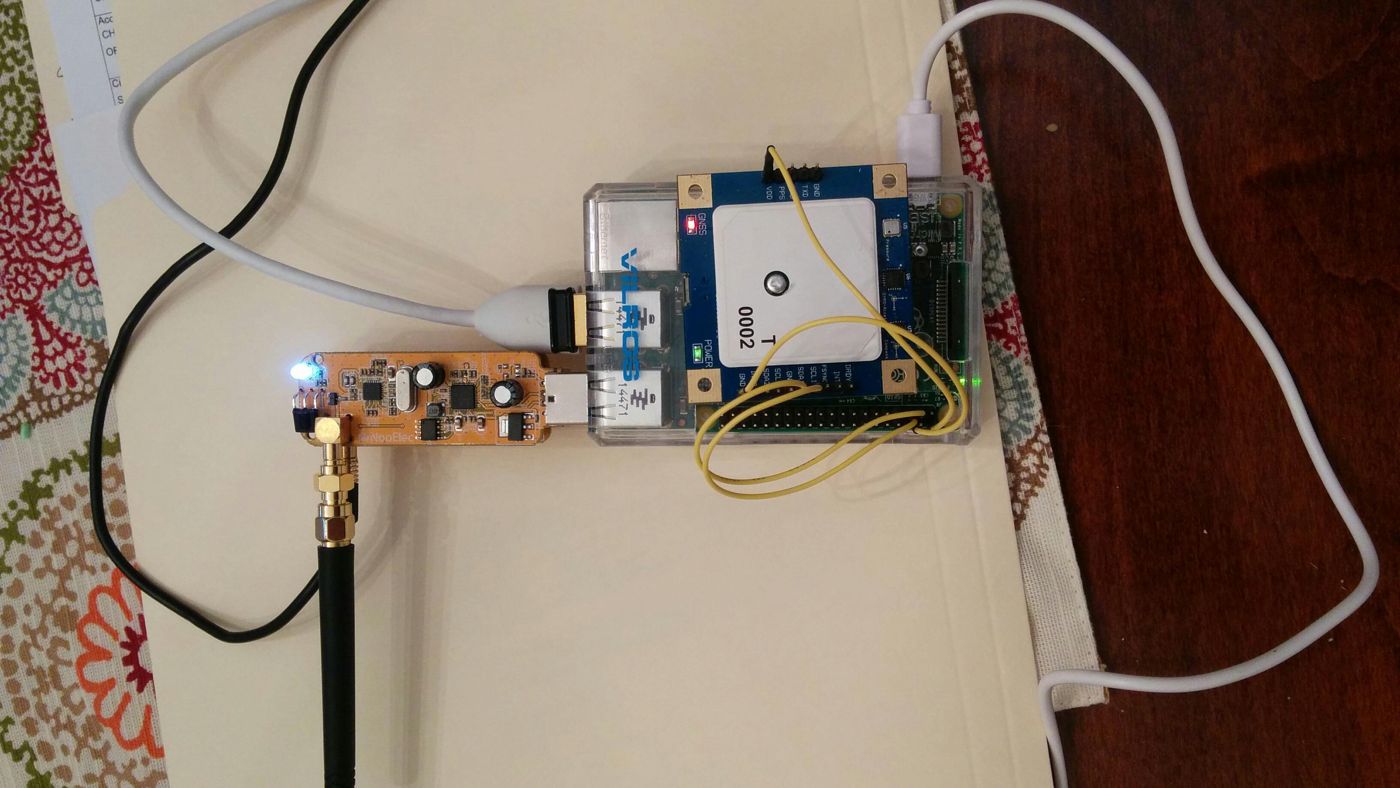
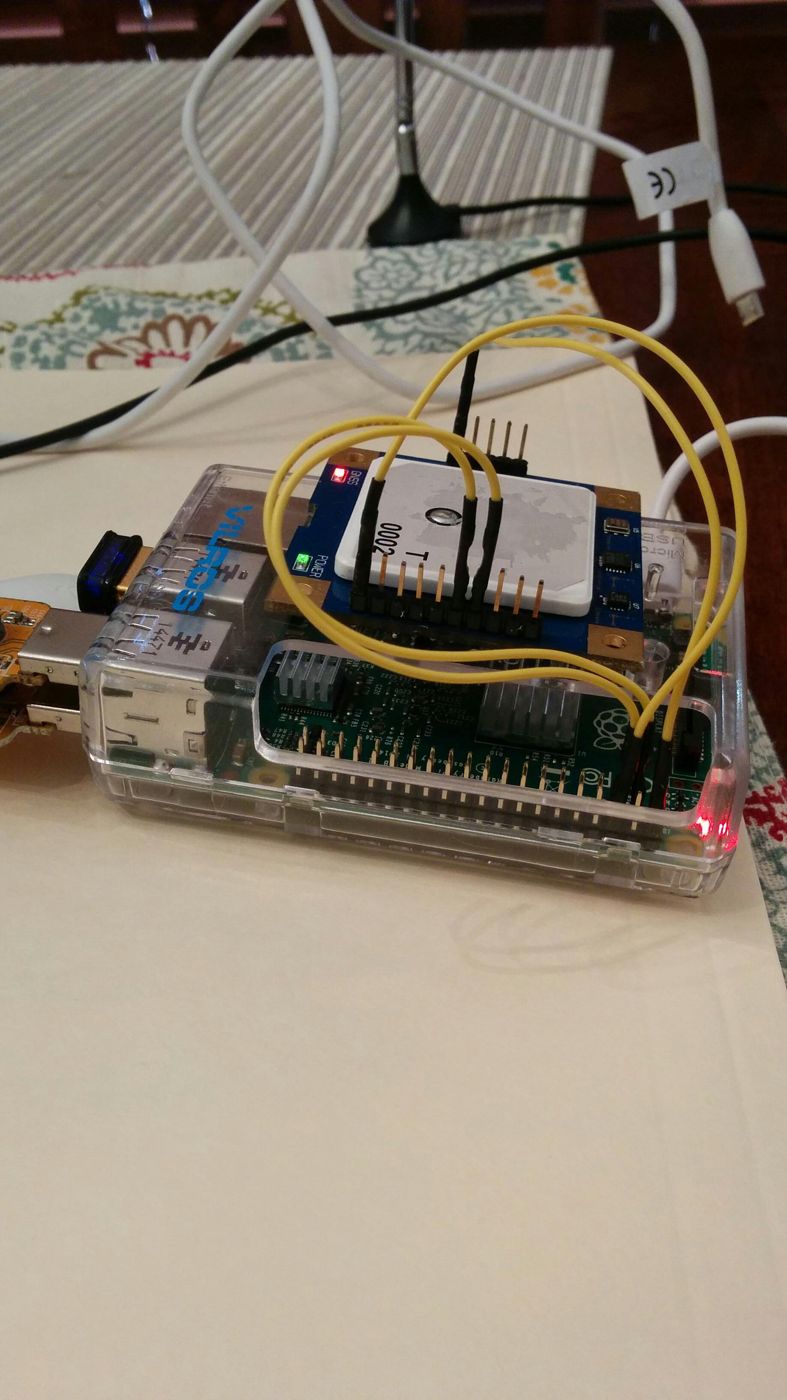
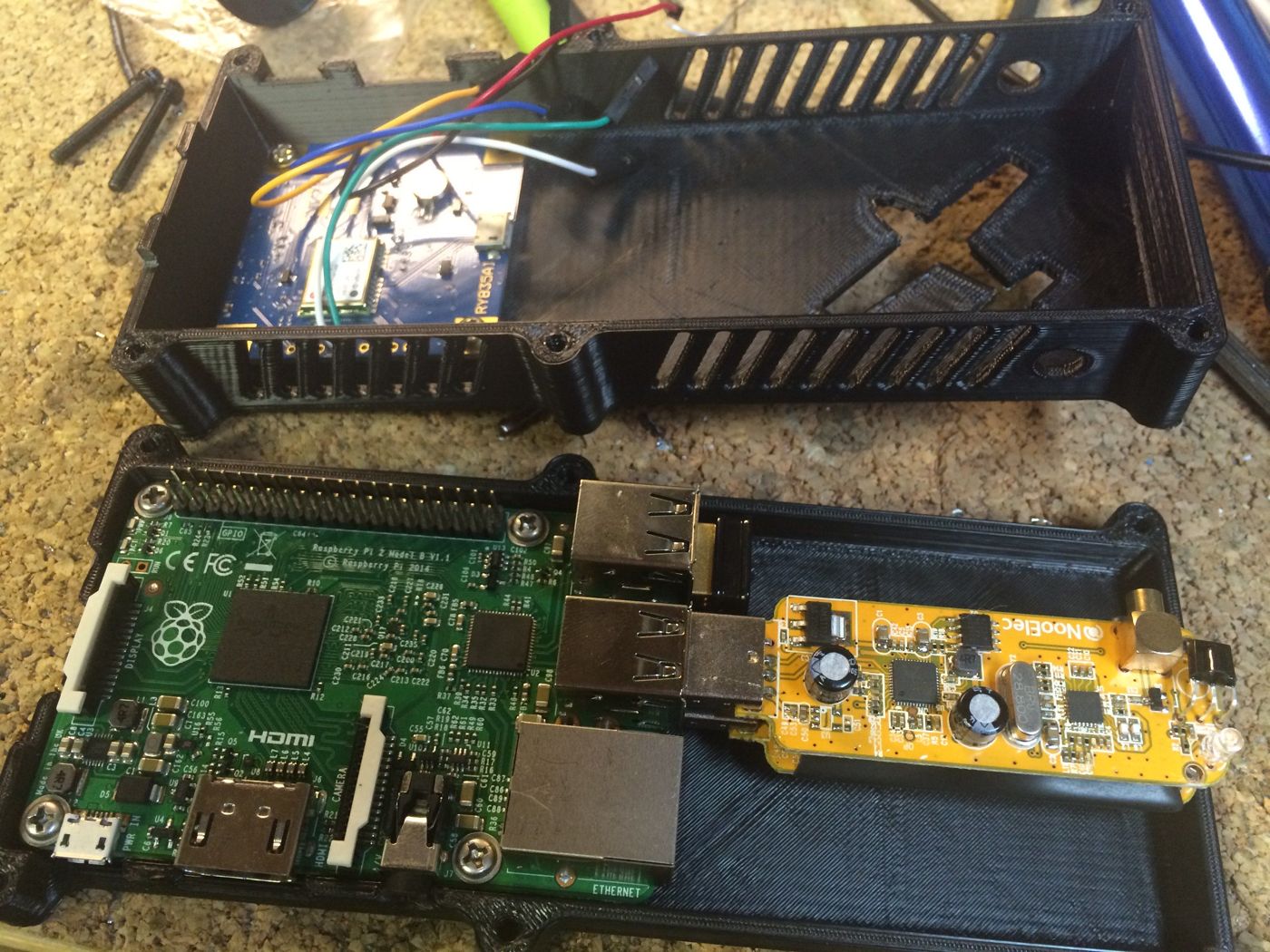
In August 2015, Christopher Young (cyoung) posted the first Stratux build on Reddit: a Raspberry Pi and a cheap software-defined radio (SDR) receiving free FIS-B weather on 978 MHz, with a single radio. Within weeks it was dual-band. These are photos cyoung sent Helno that August so he could design a case: a dual-band receiver in a basic Raspberry Pi case with an RY835AI GPS module and wires everywhere.
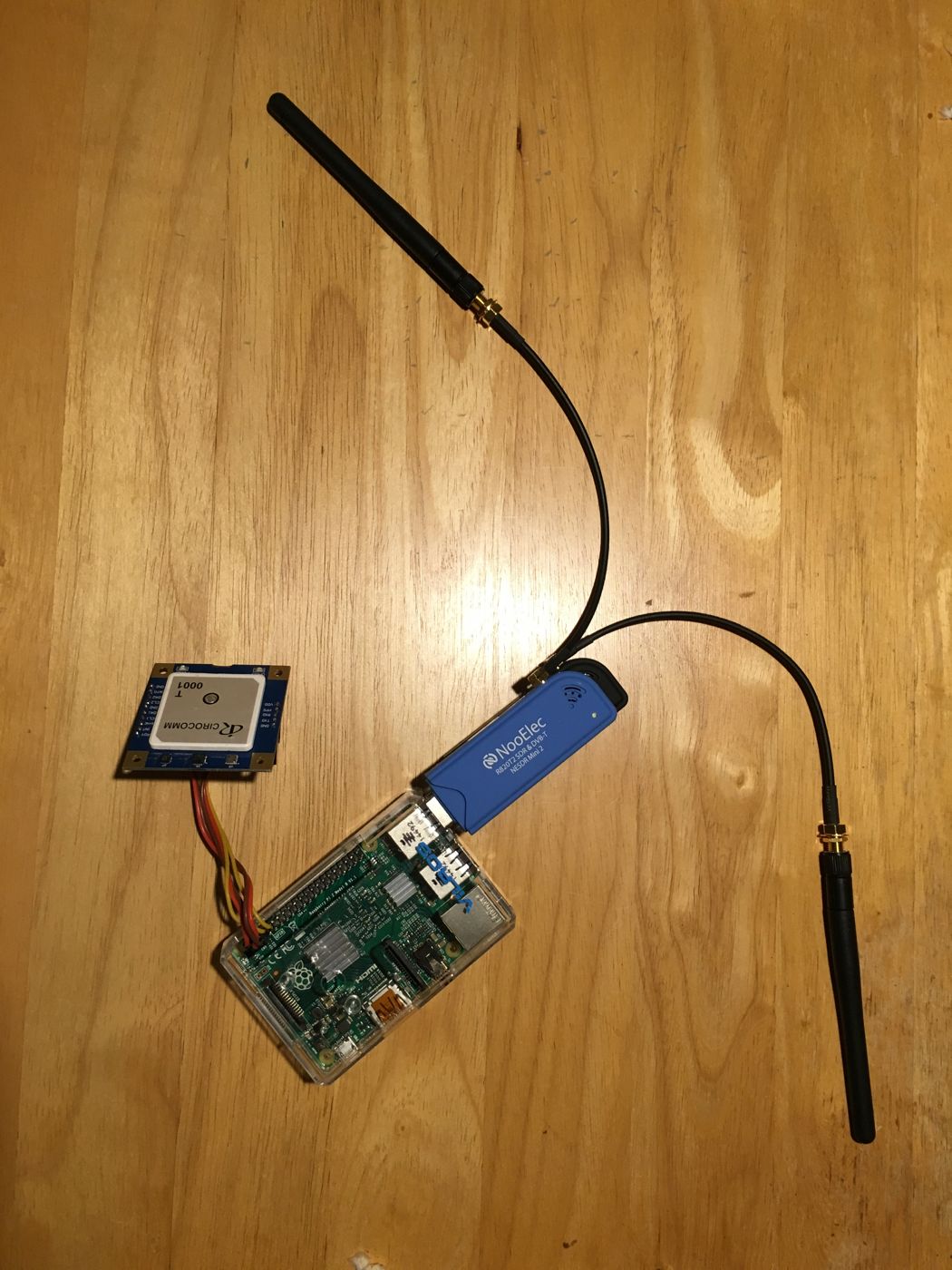
Canada had no UAT ground stations then, so Helno built one of the first 1090-only receivers and demonstrated it at the Ultralight Pilots Association AGM that August. By October, builders were flying units like this one: no case yet, and a single NooElec SDR.
2015–2016: printing a home for it
The early SDRs were the larger "micro" format, so cases had to be big. Helno started from an existing Raspberry Pi case on Thingiverse and added room for a single SDR, then worked through generation after generation. His first dual-SDR design that used proper antennas was made for Dan (dmurray14), who printed it on a larger printer, and it carried the first appearance of the Stratux logo: an airplane over a stylized antenna.
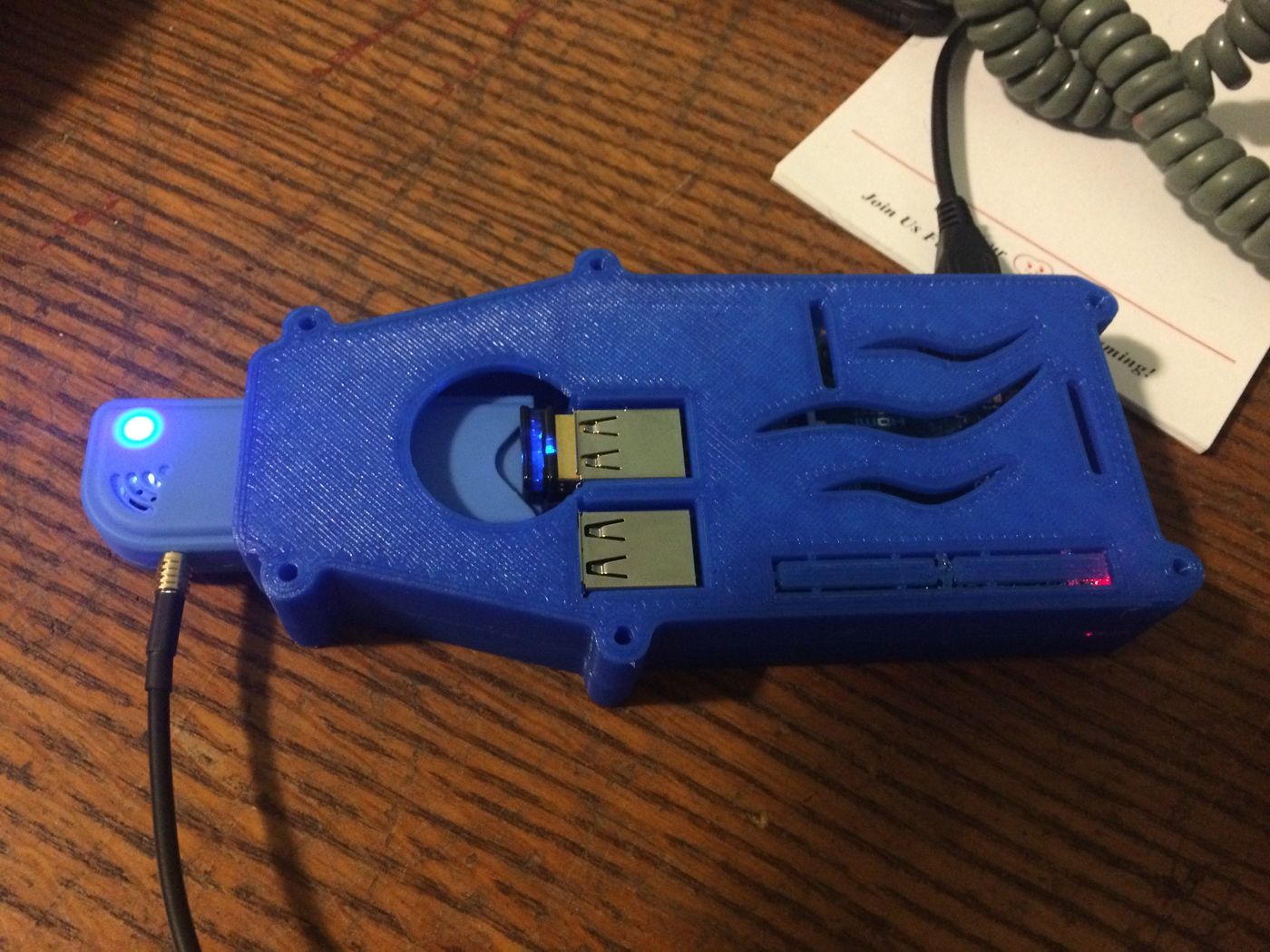
When the smaller nano SDRs arrived, cases shrank dramatically. The "notch case" still housed a Raspberry Pi 2 with a USB Wi-Fi adapter, and it was the first to mount on a suction cup.
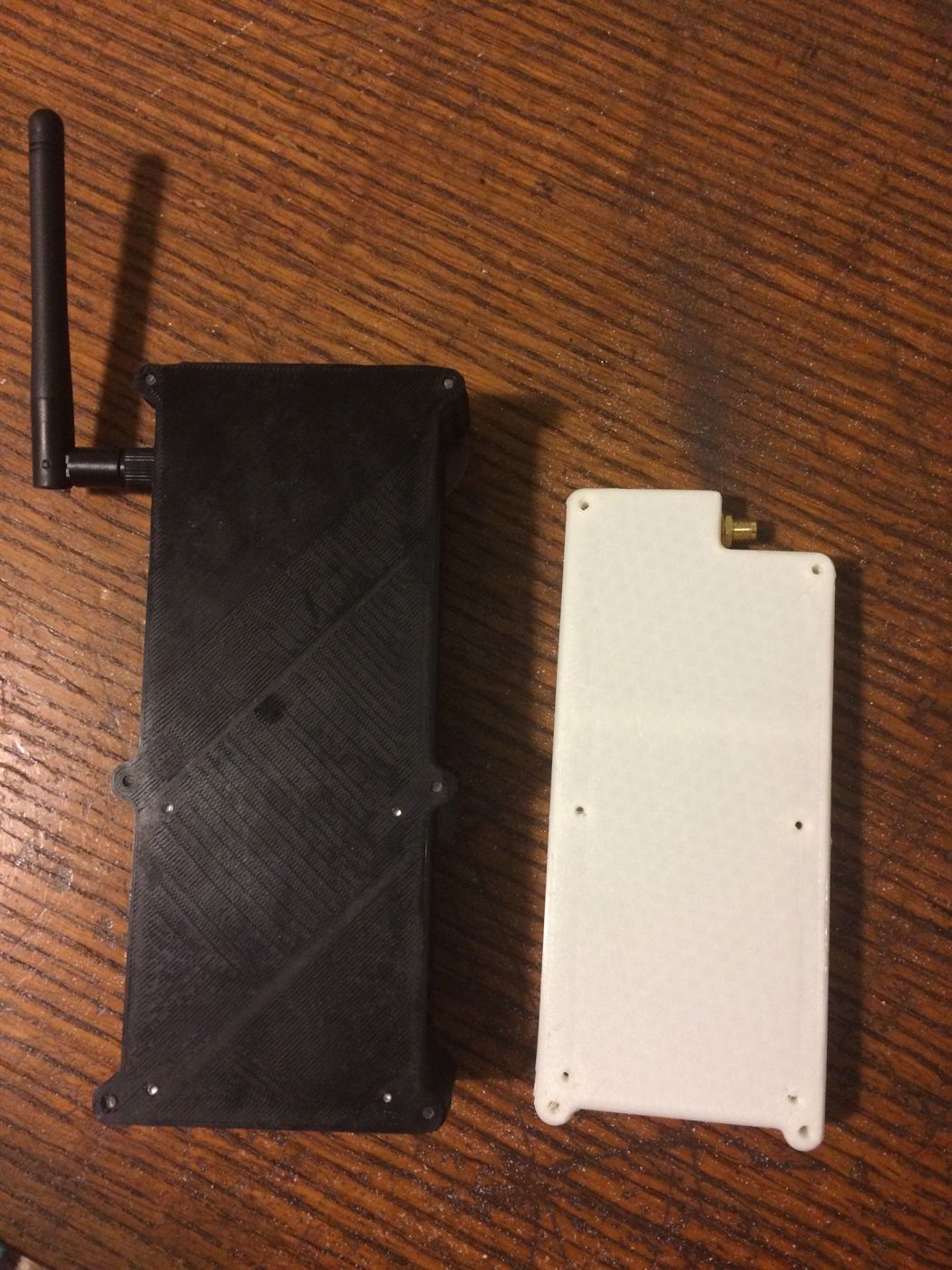
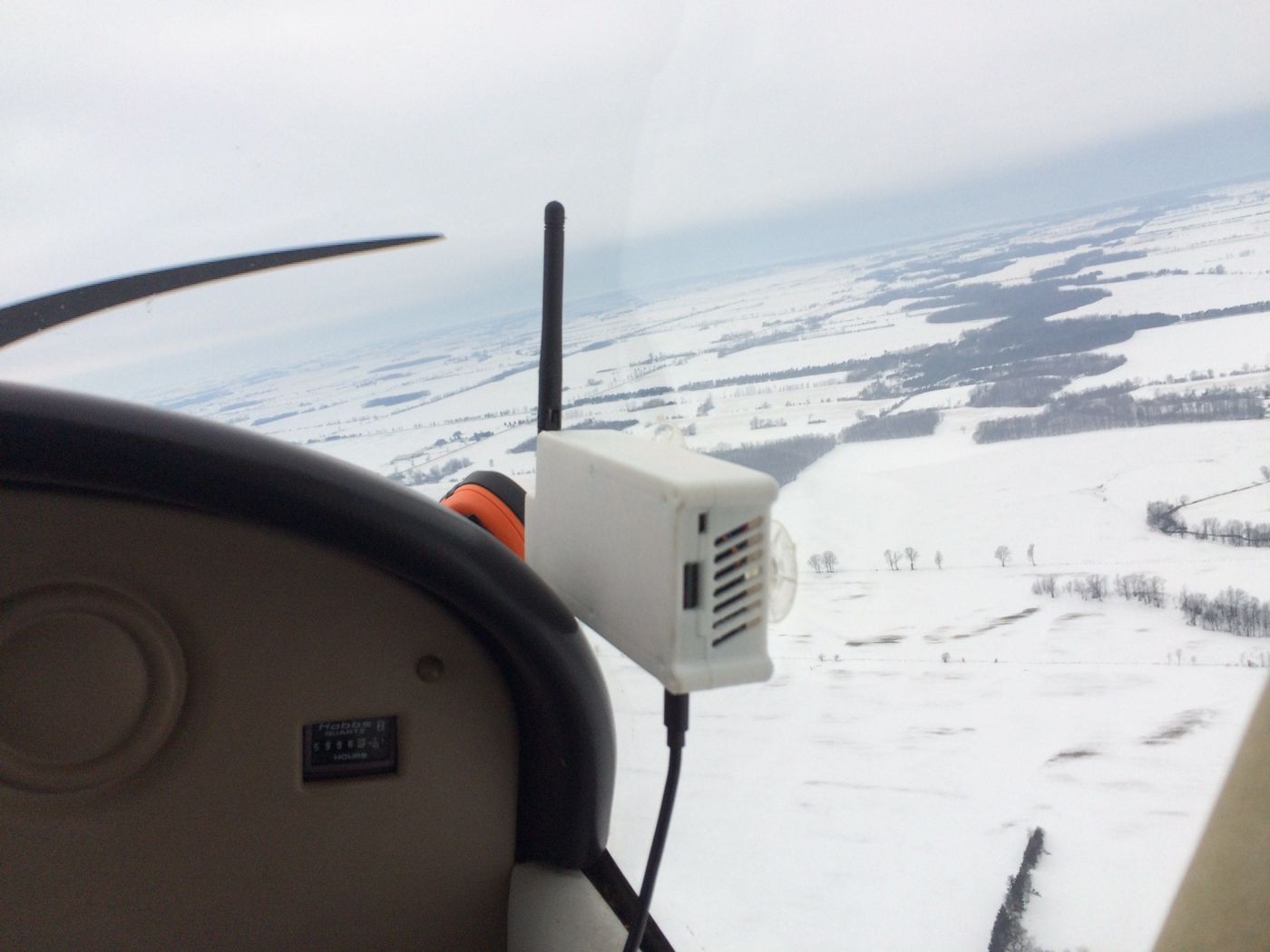
By February 2016 Stratux had its first major magazine review, in Aviation Consumer, and its photos showed one of Helno's cases. Builders printed their own, too.
2016: group builds and Oshkosh
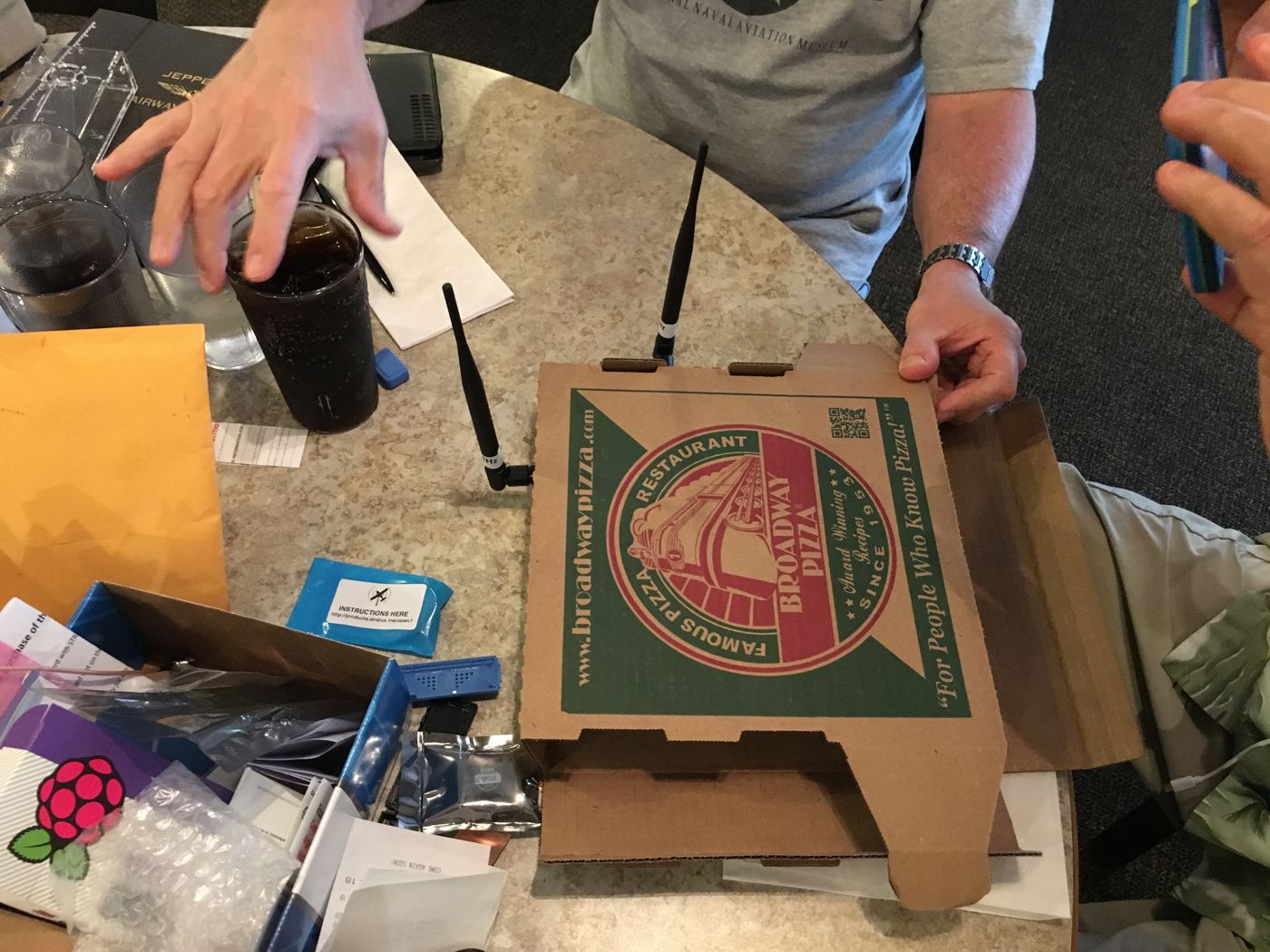
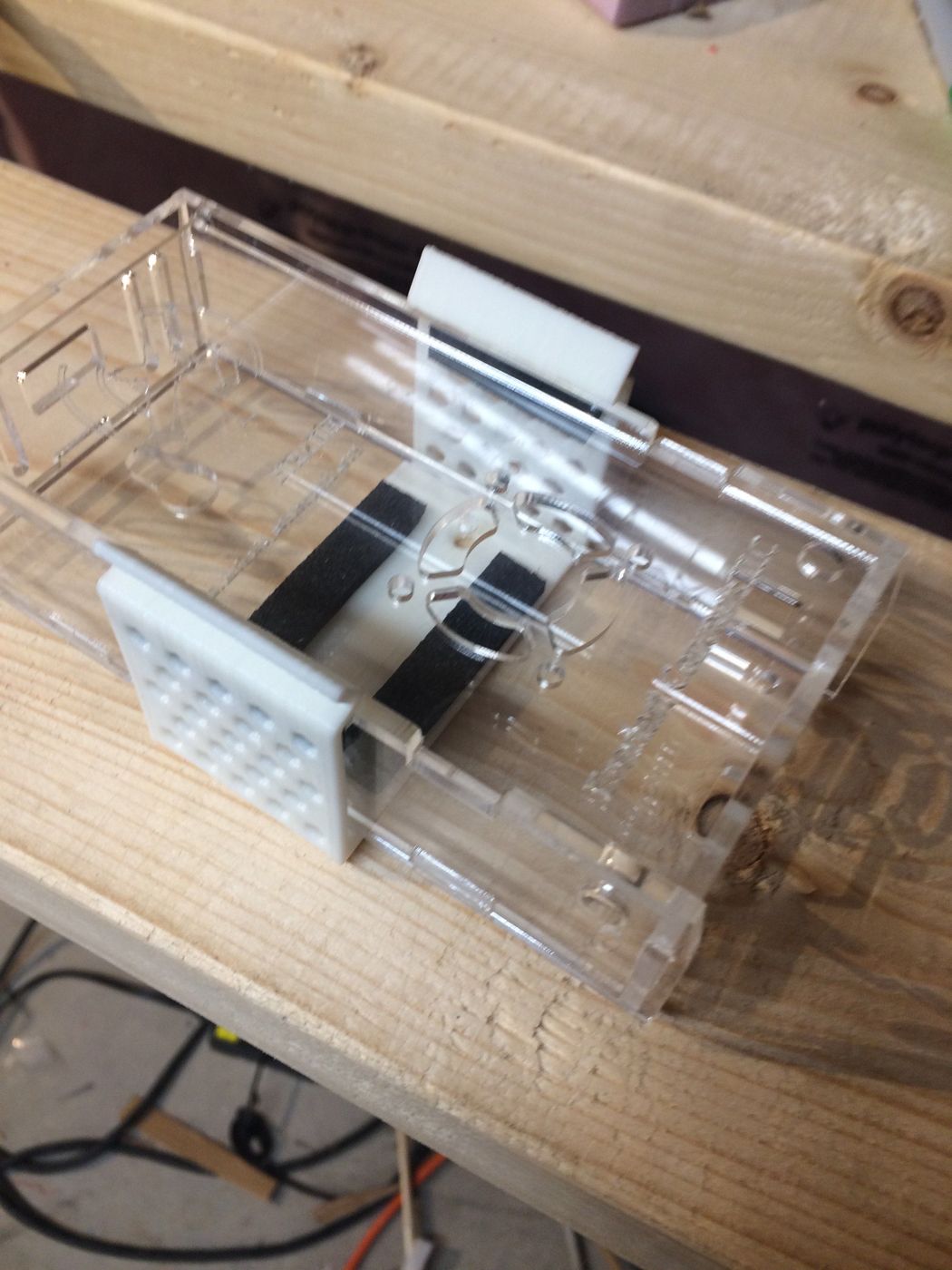
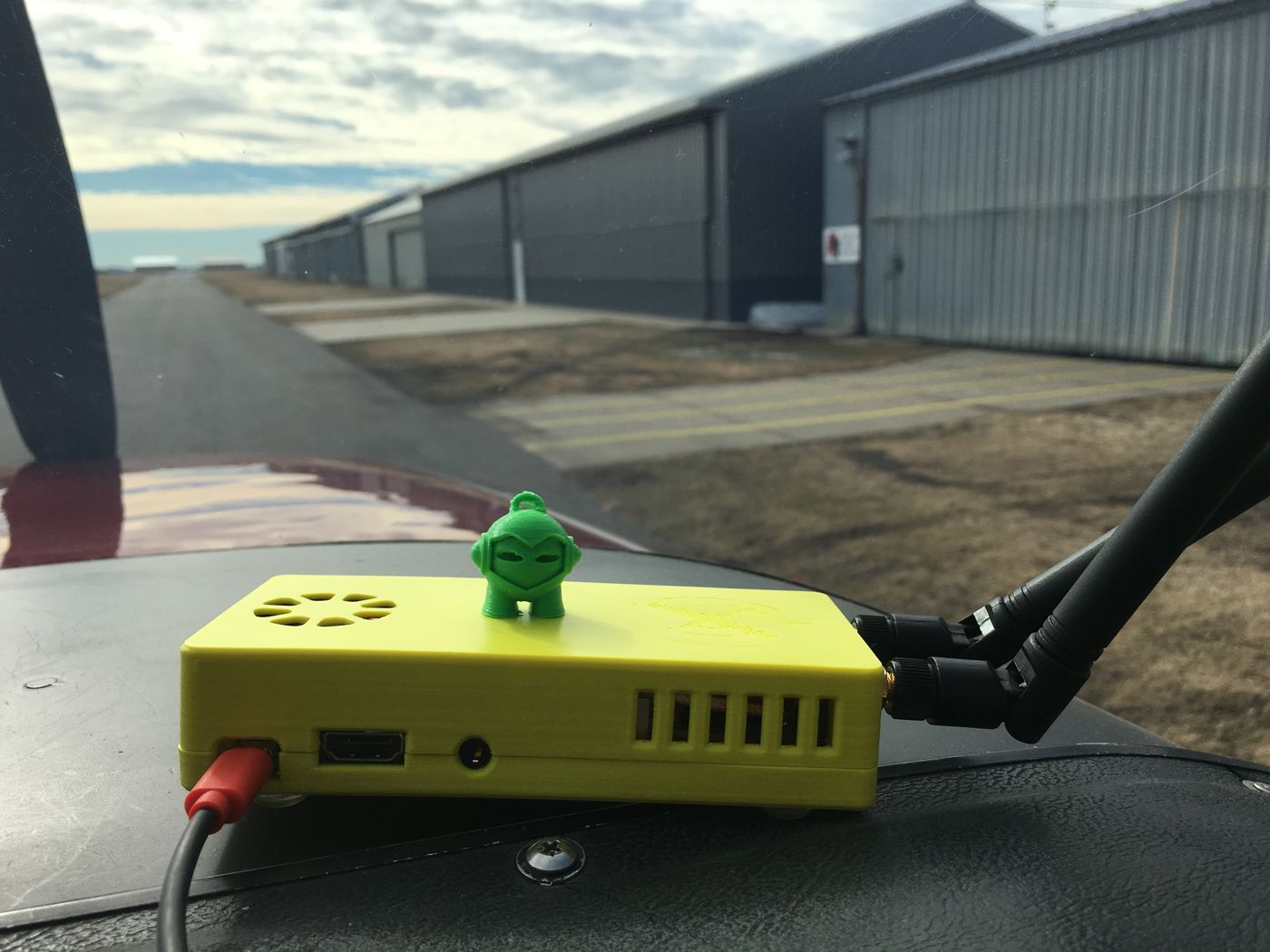
Pilot groups started building Stratux together. One July 2016 session was held at a pizza parlor, so the receivers went into pizza boxes. By September, groups were building from pre-ordered kits with cyoung's laser-cut acrylic cases, which were labor-intensive to produce. Helno printed suction mounts for them.
Helno's printed "no nub" case, named because its screws used the Pi's own mounting holes, reached its final form with a fan and good ventilation. He sold them as fast as his printer could make them, in several colors, though white and black were the favorites. He kept a bin of the iterations "for the history of Stratux."
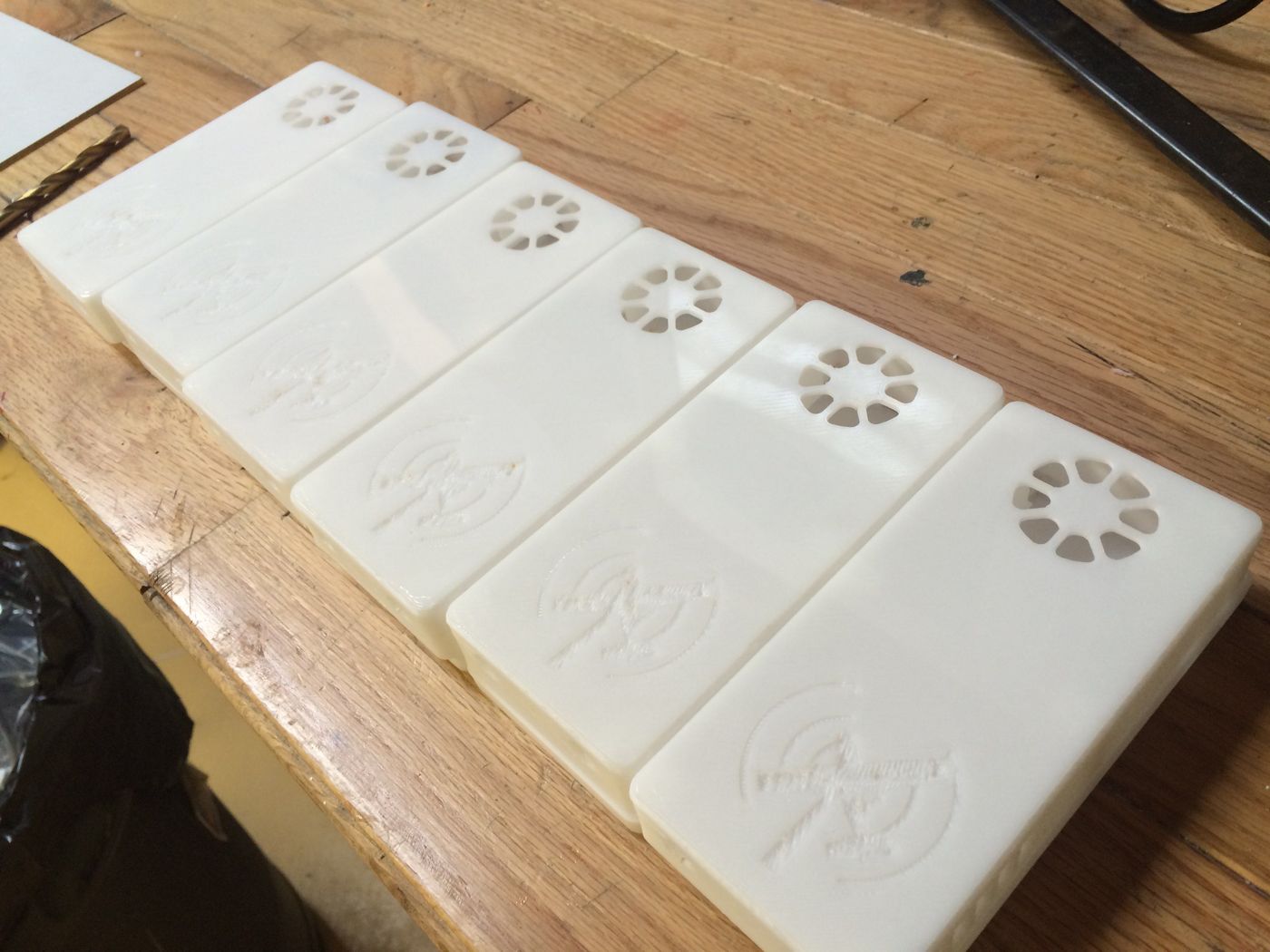
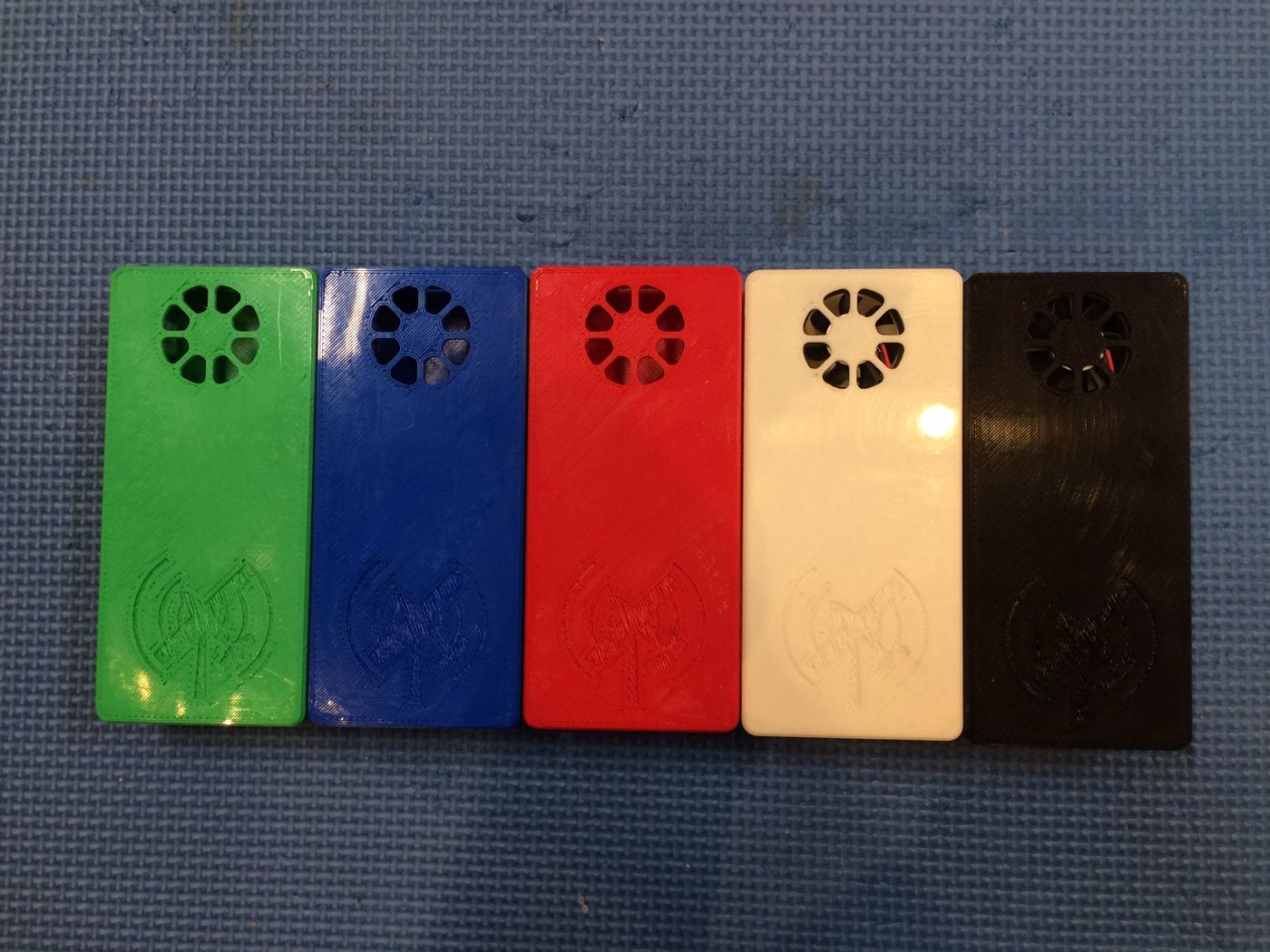
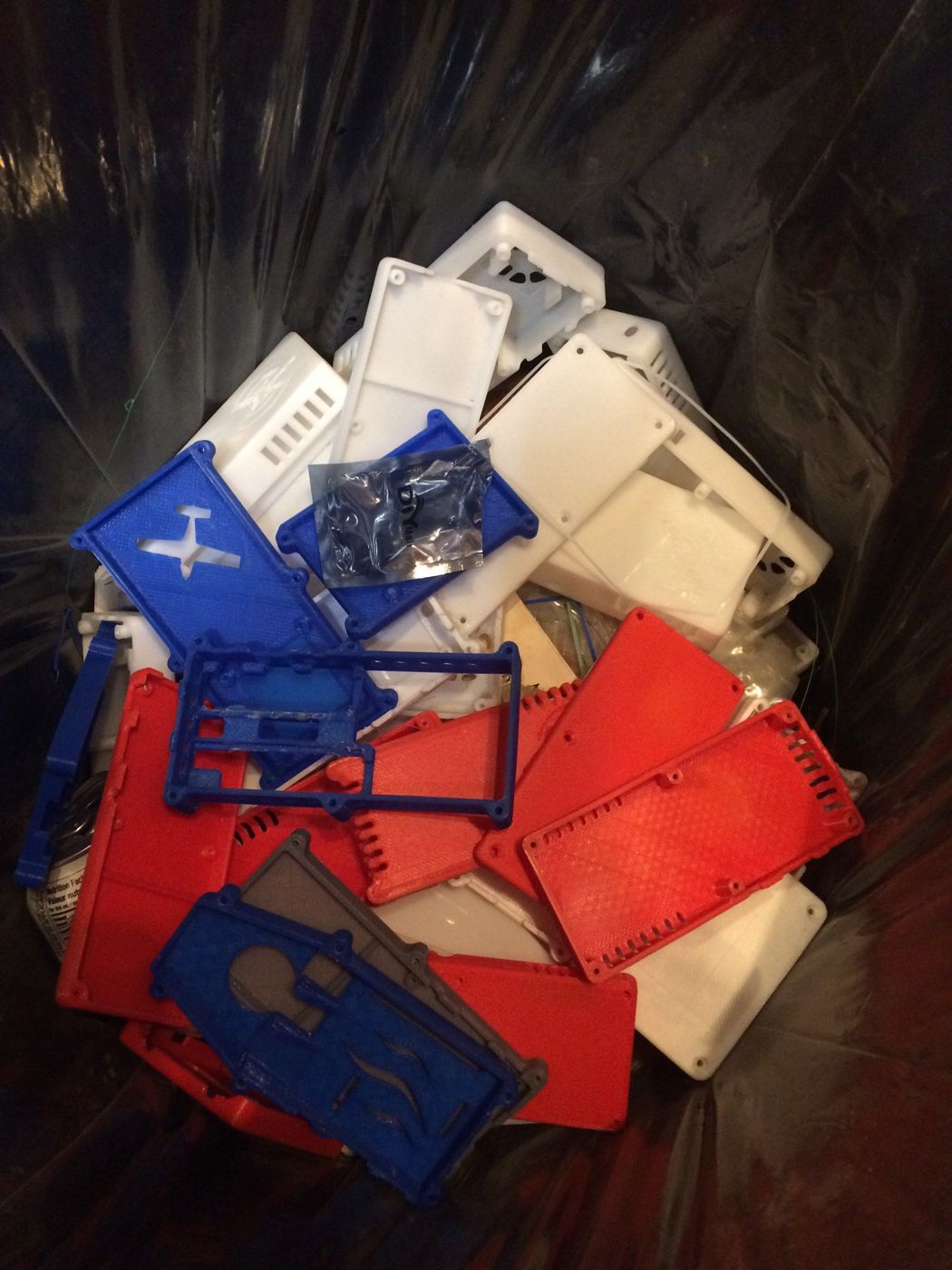
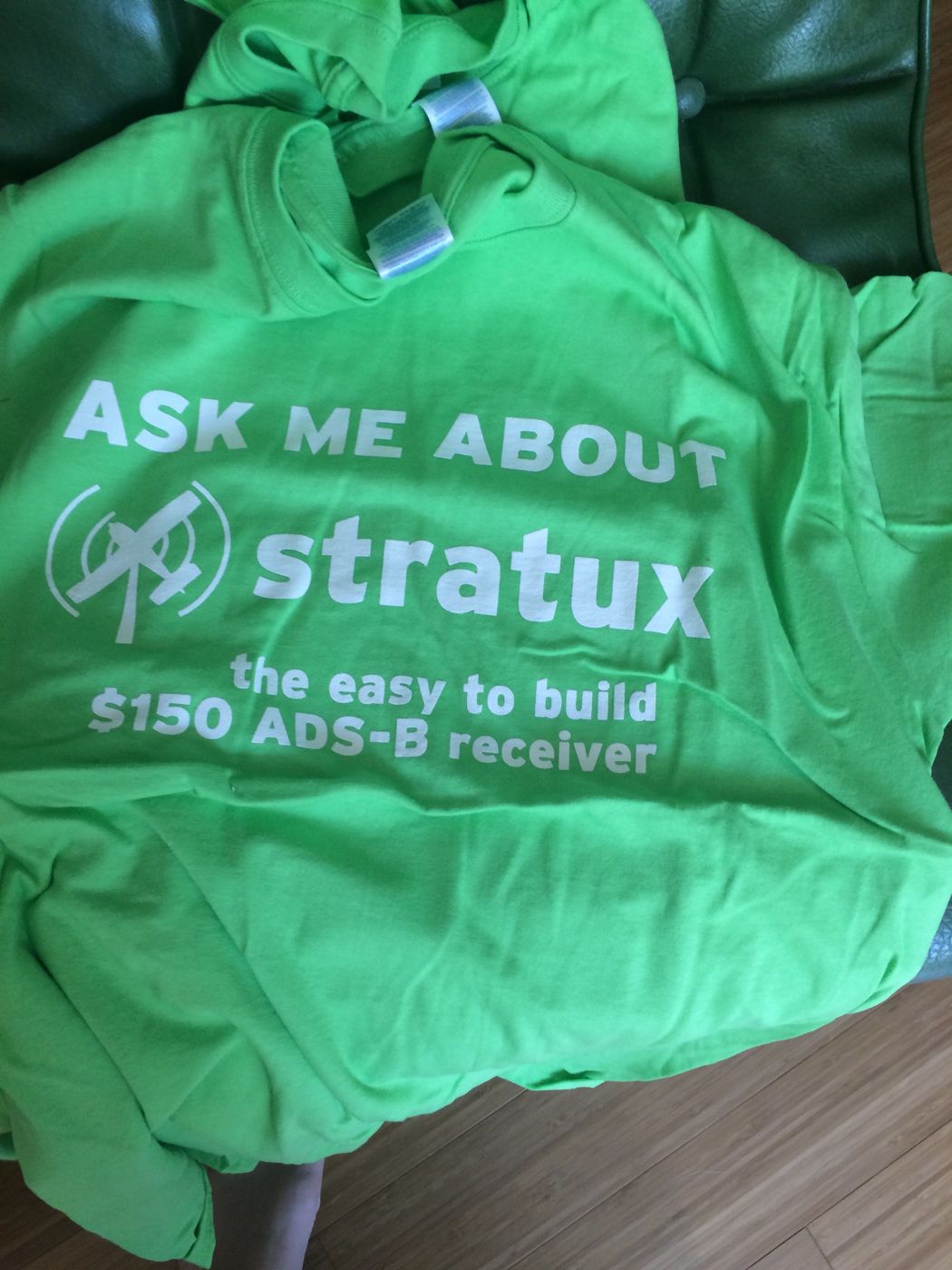
At EAA AirVenture Oshkosh 2016, the core contributors met in person for the first time. Someone had bright green T-shirts made; Helno mailed the extras to people for the cost of shipping.
The parts that became standard
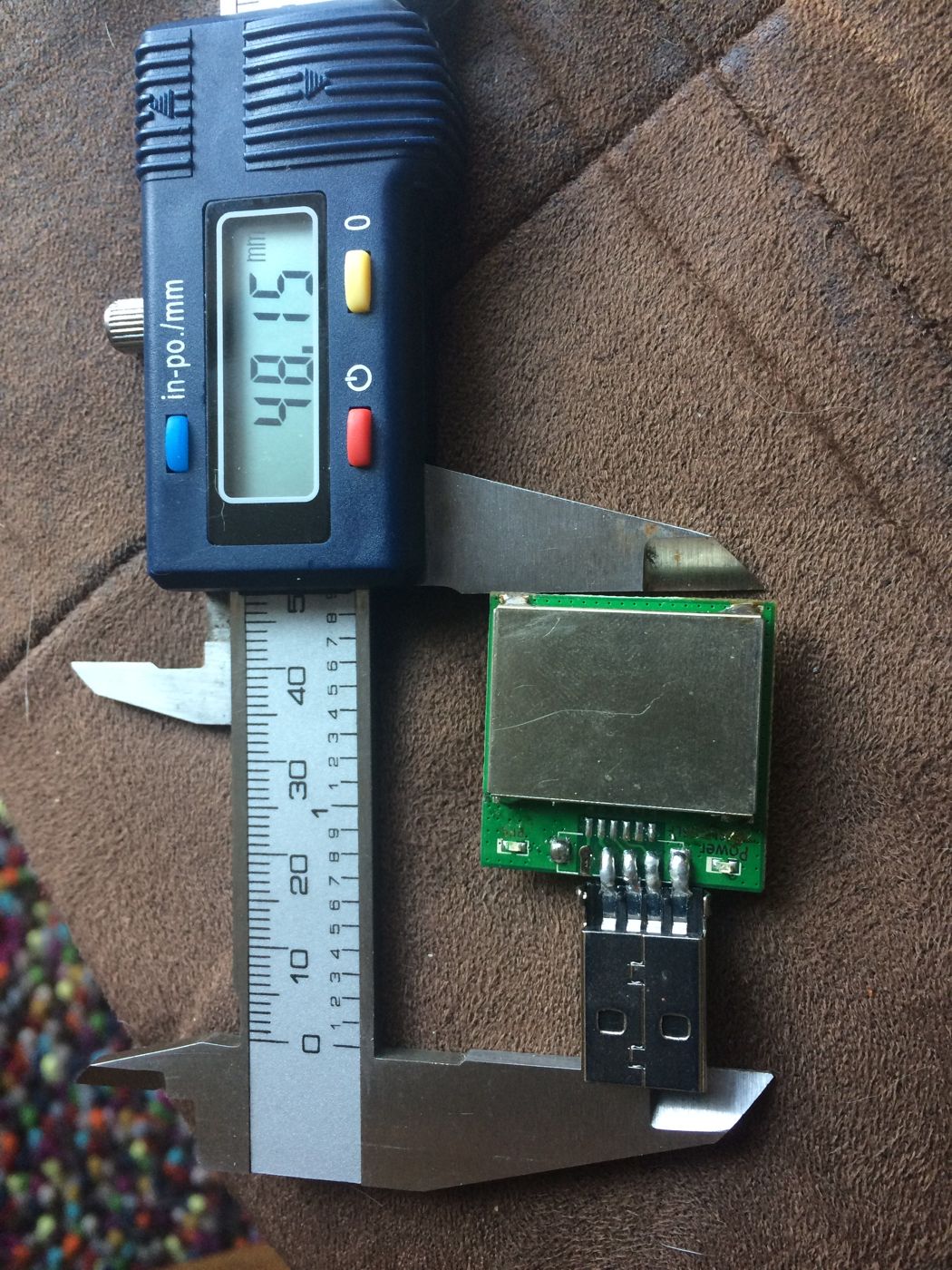
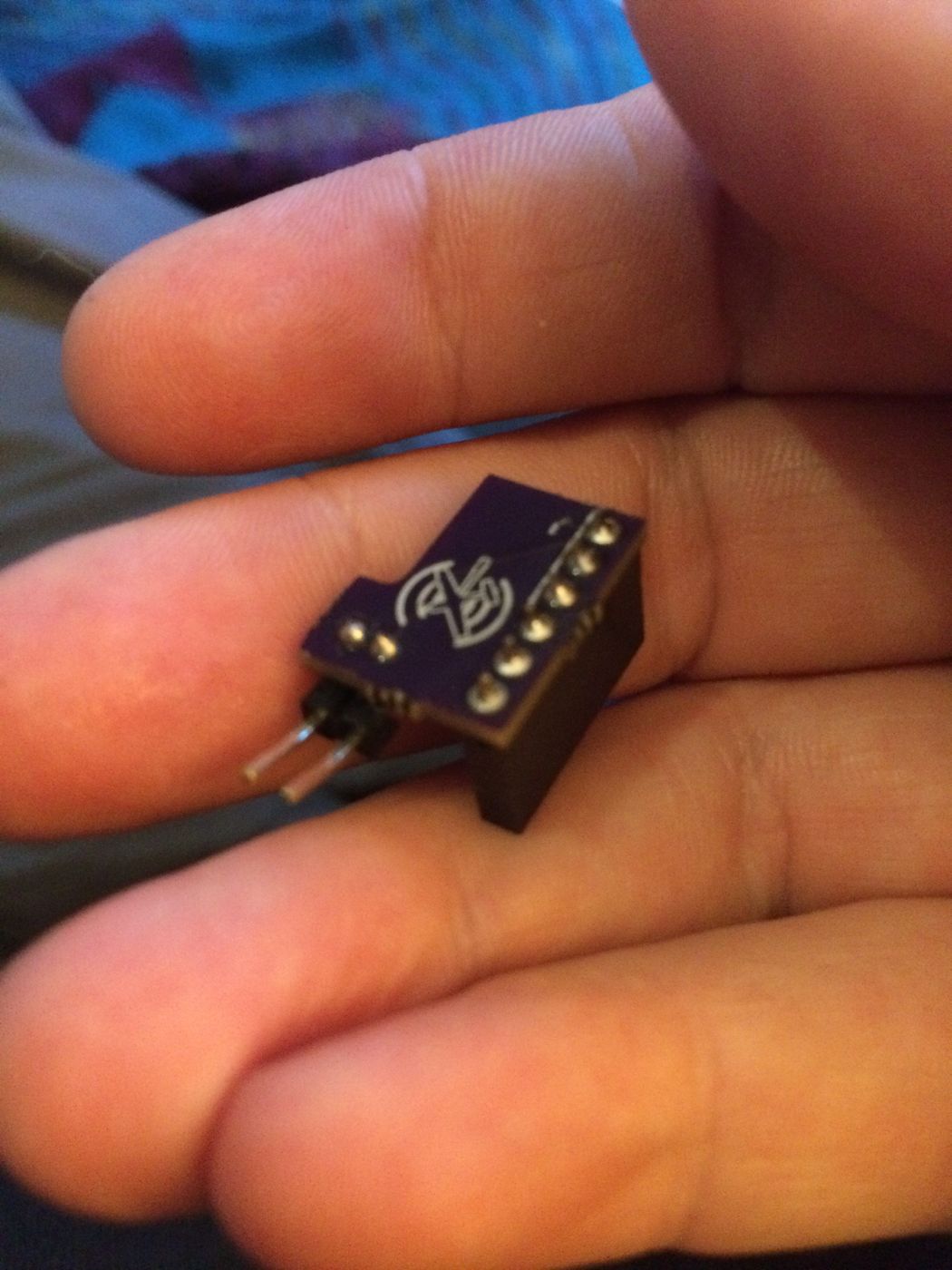
Some of today's standard parts started as cyoung's hand-made prototypes: a modified GPS module that led to the GPYes (u-blox 7, then the u-blox 8 GPYes 2.0), and a fan speed control board that became the AHRS board.
2017: the injection-molded case
Injection molding was first discussed in July 2016, but the tooling was expensive. cyoung went ahead in 2017 with a manufacturer in Shenzhen, using an optimized version of Helno's printable design with proper draft angles and metal inserts for machine screws. Helno told the full story in Getting cases injection molded.
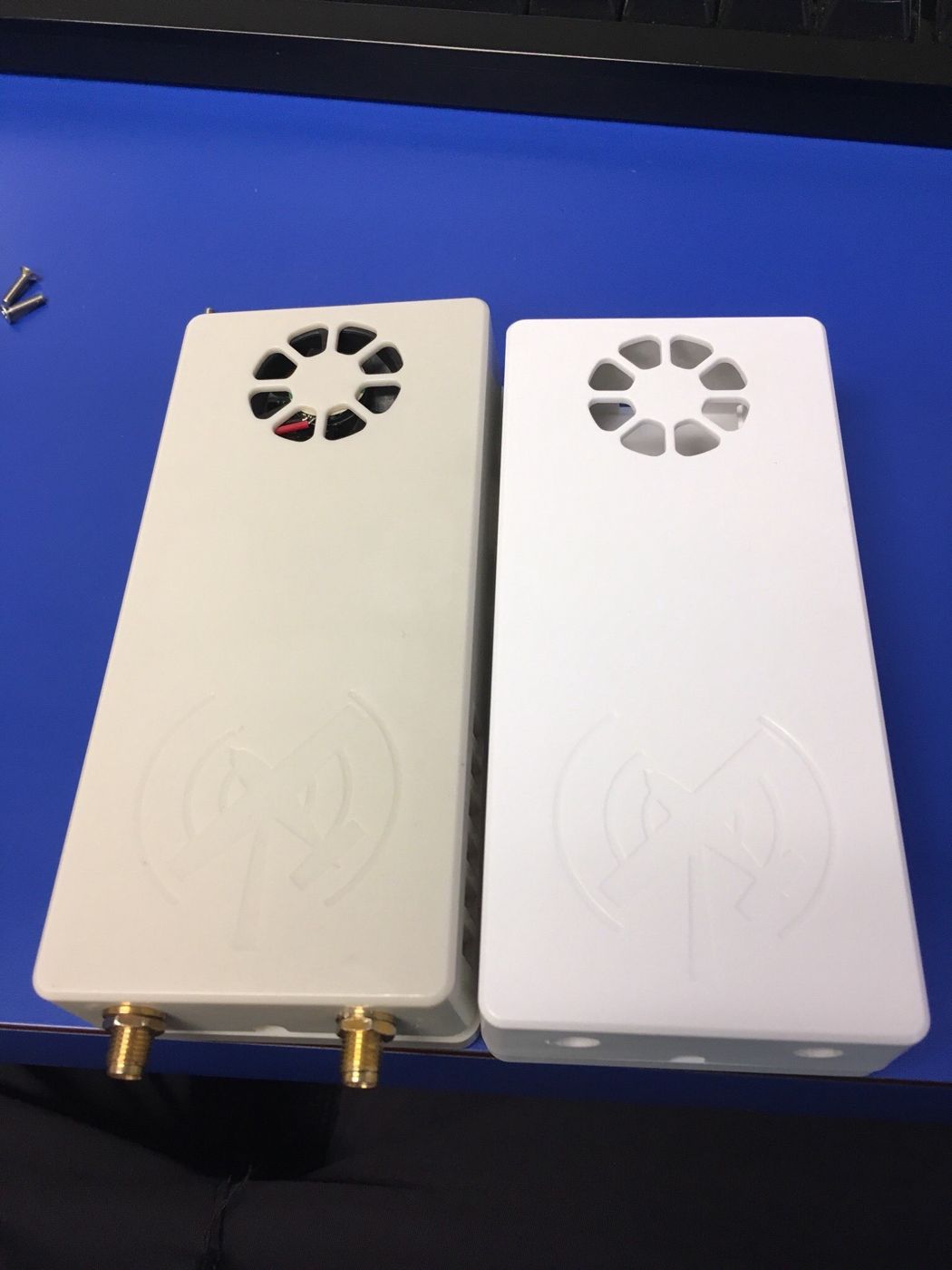
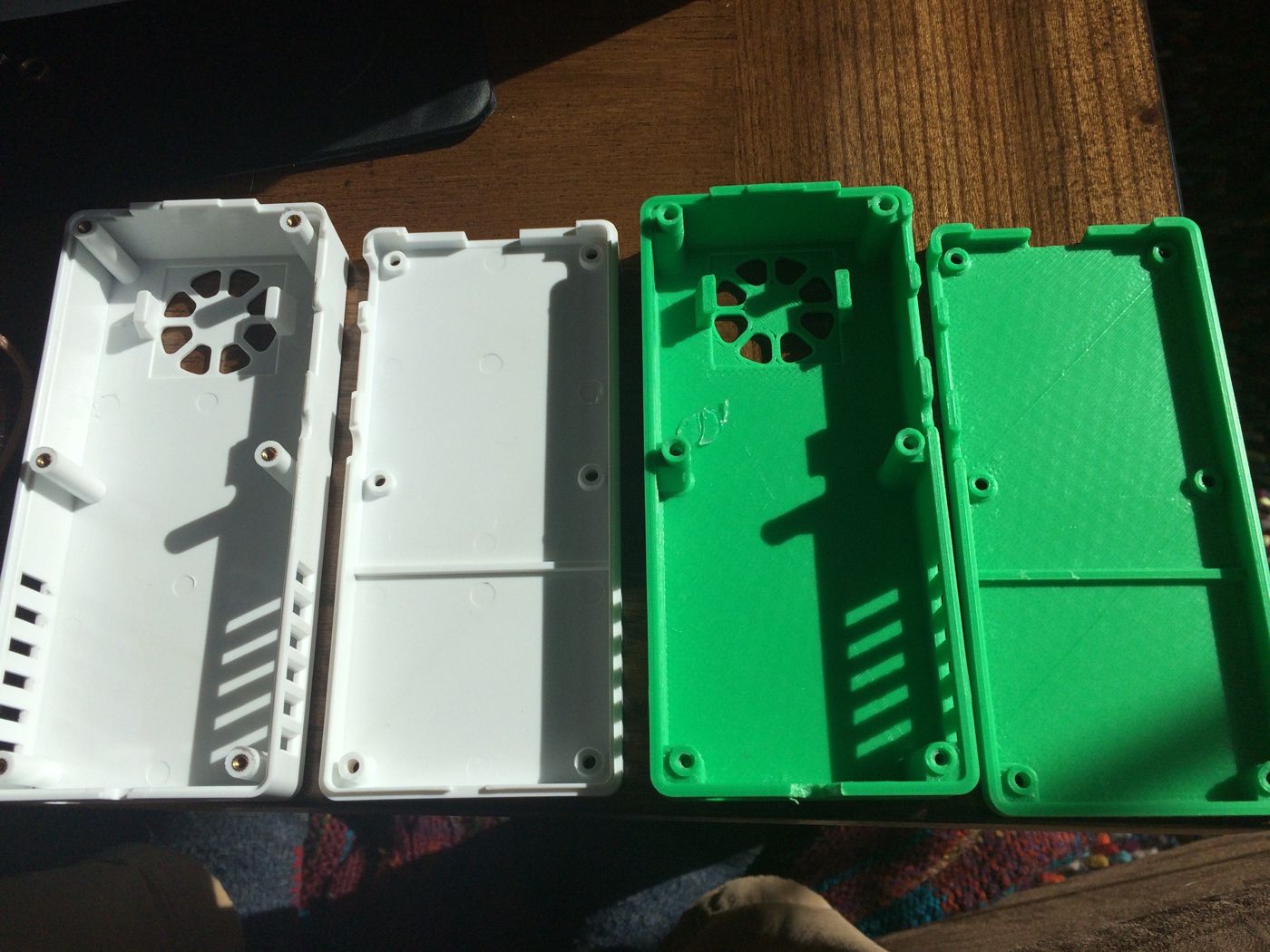
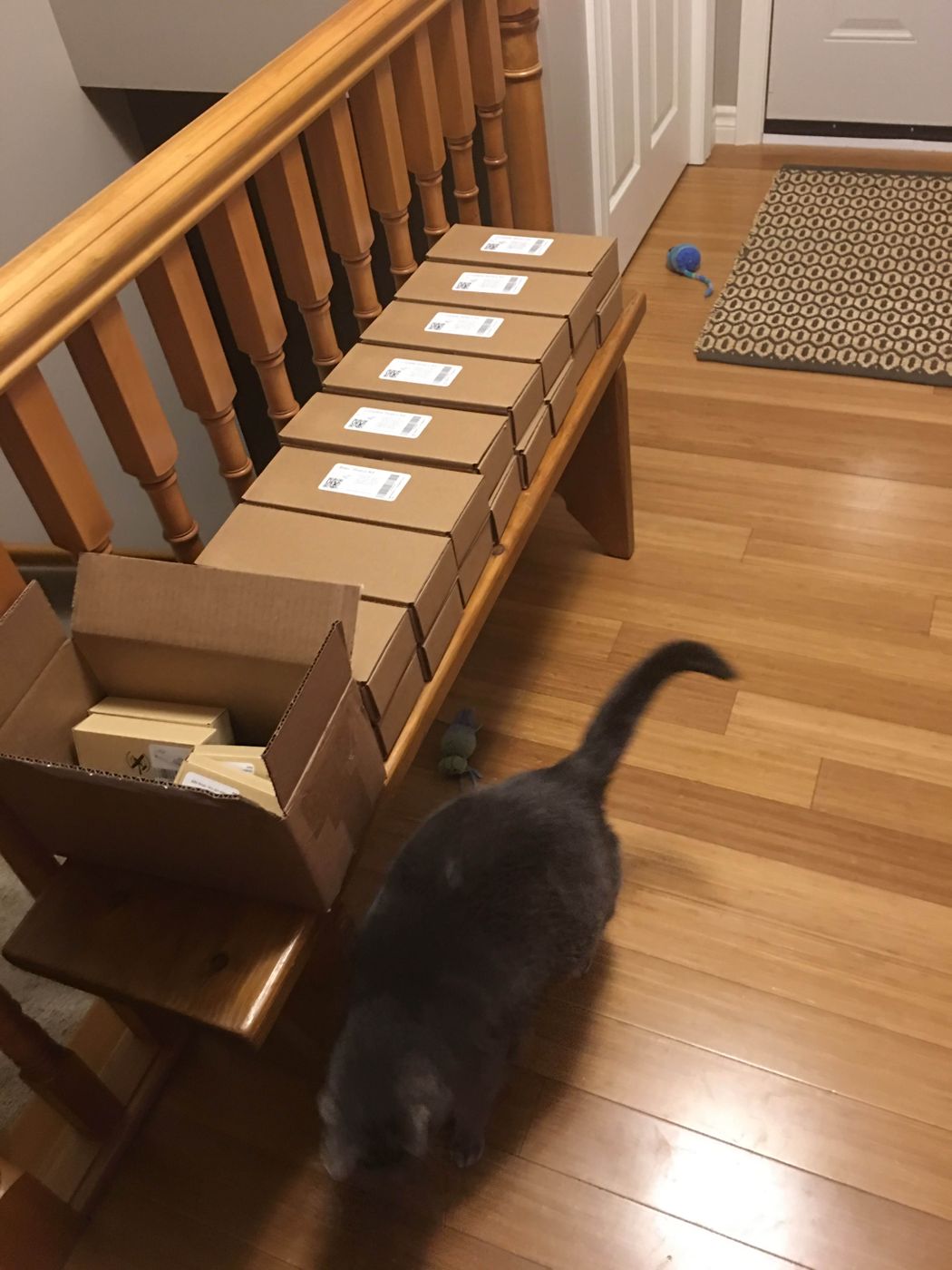
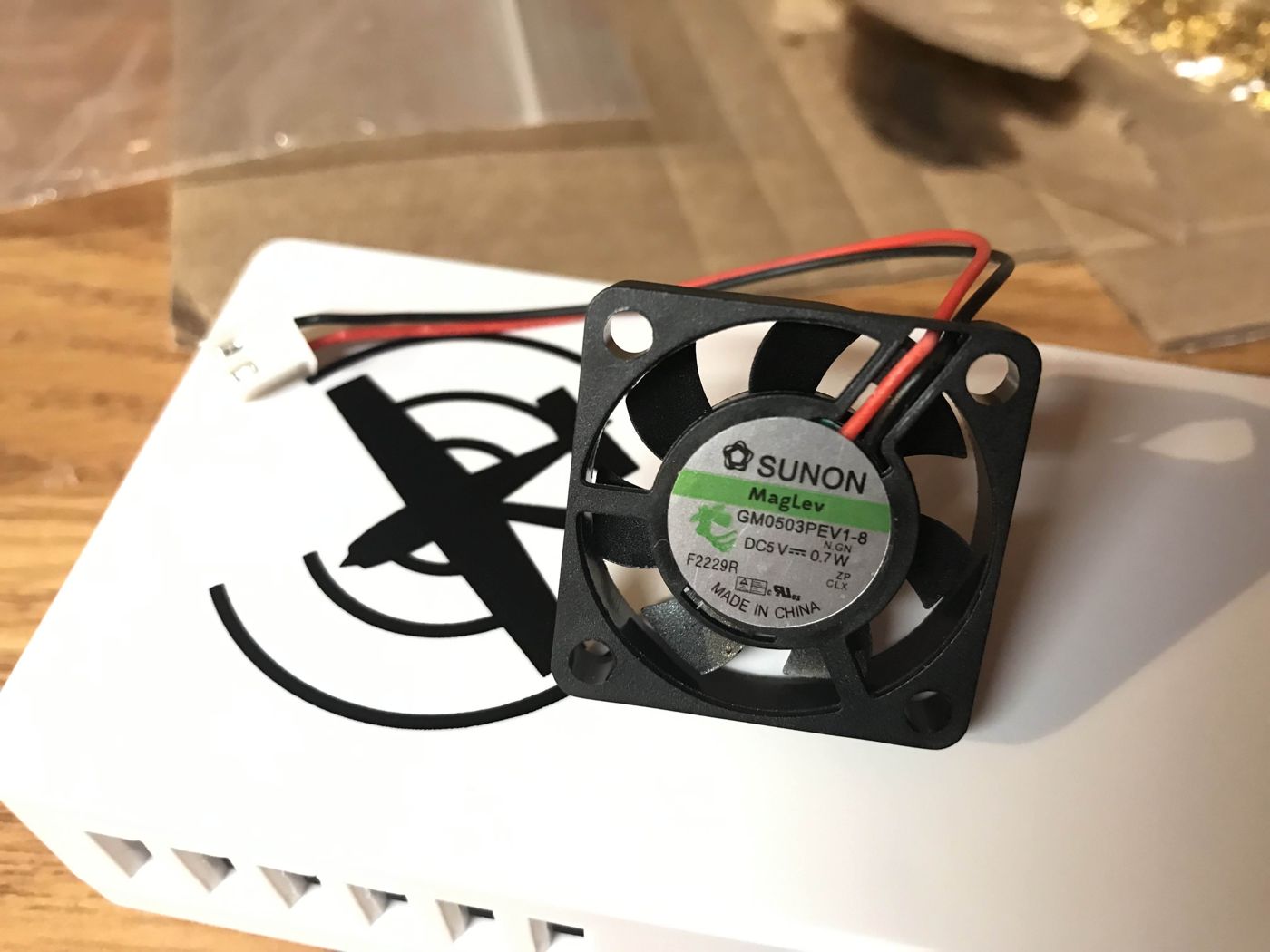
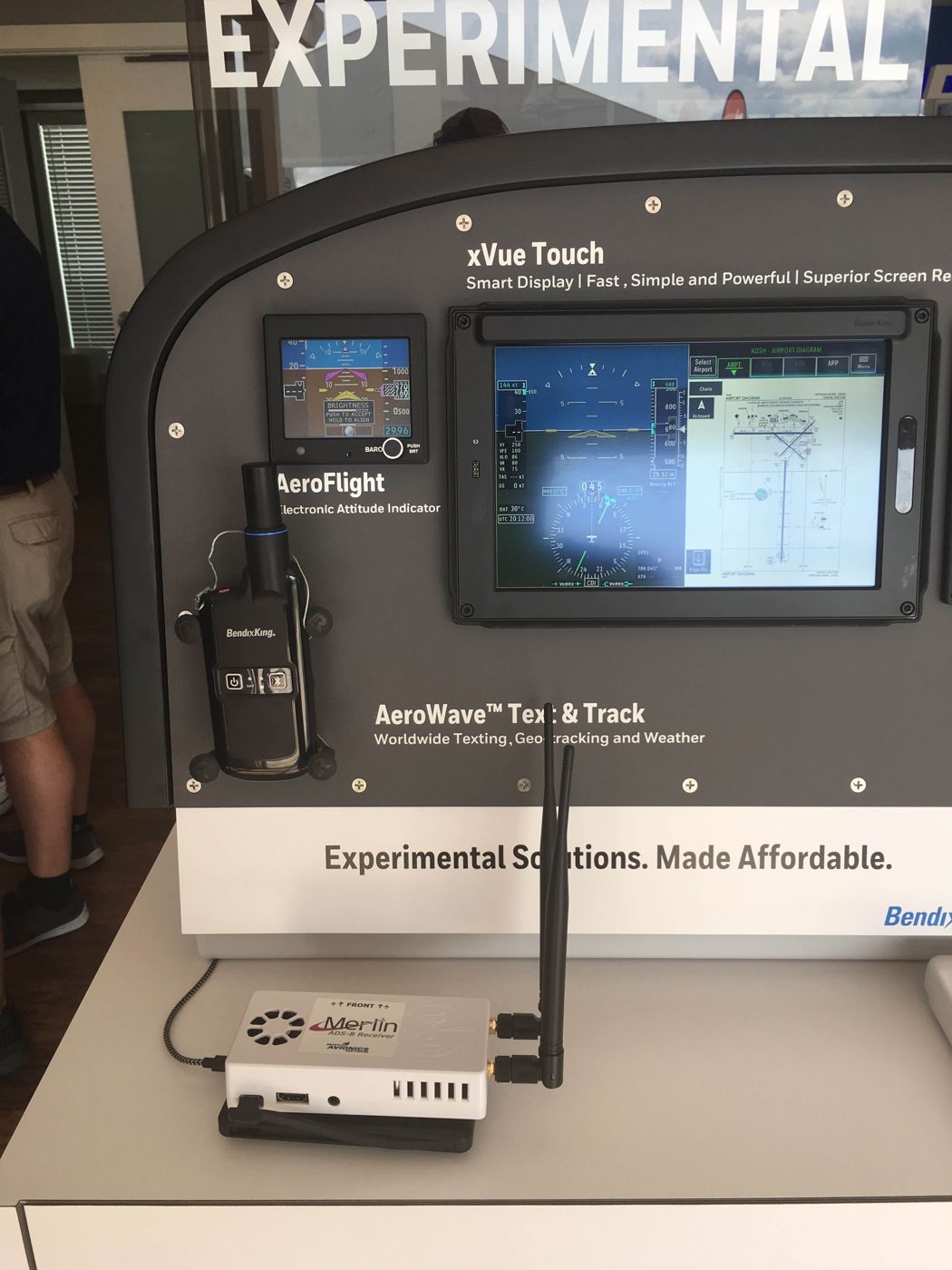
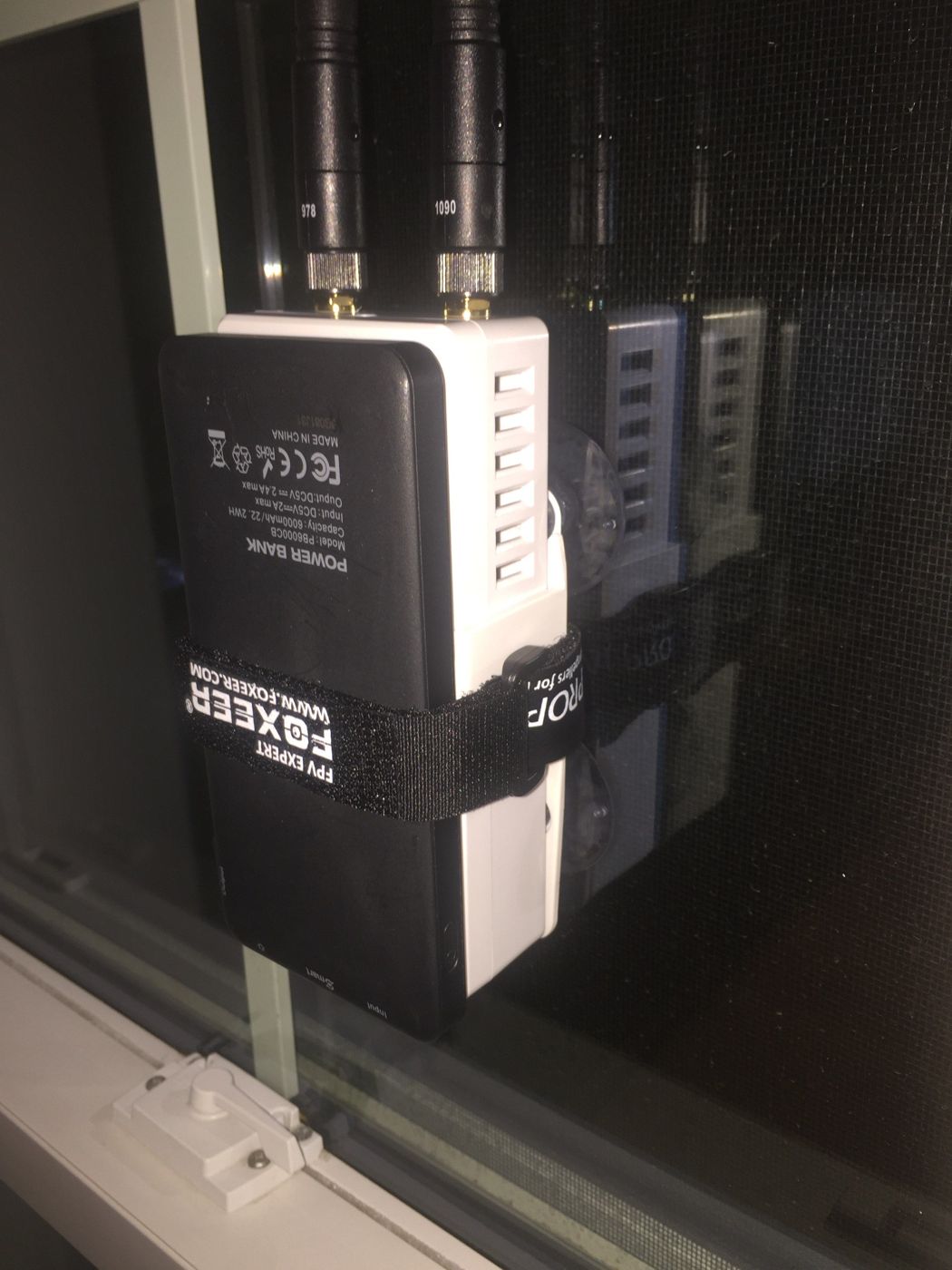
Kits shipped by the box, including to Canada. When other companies wanted to sell rebranded Stratux units, the mold was changed from a recessed logo to a screen-printed one so it could vary. Seattle Avionics' Merlin, sold for FlyQ, was one of them.
From a teardown to the UATradio
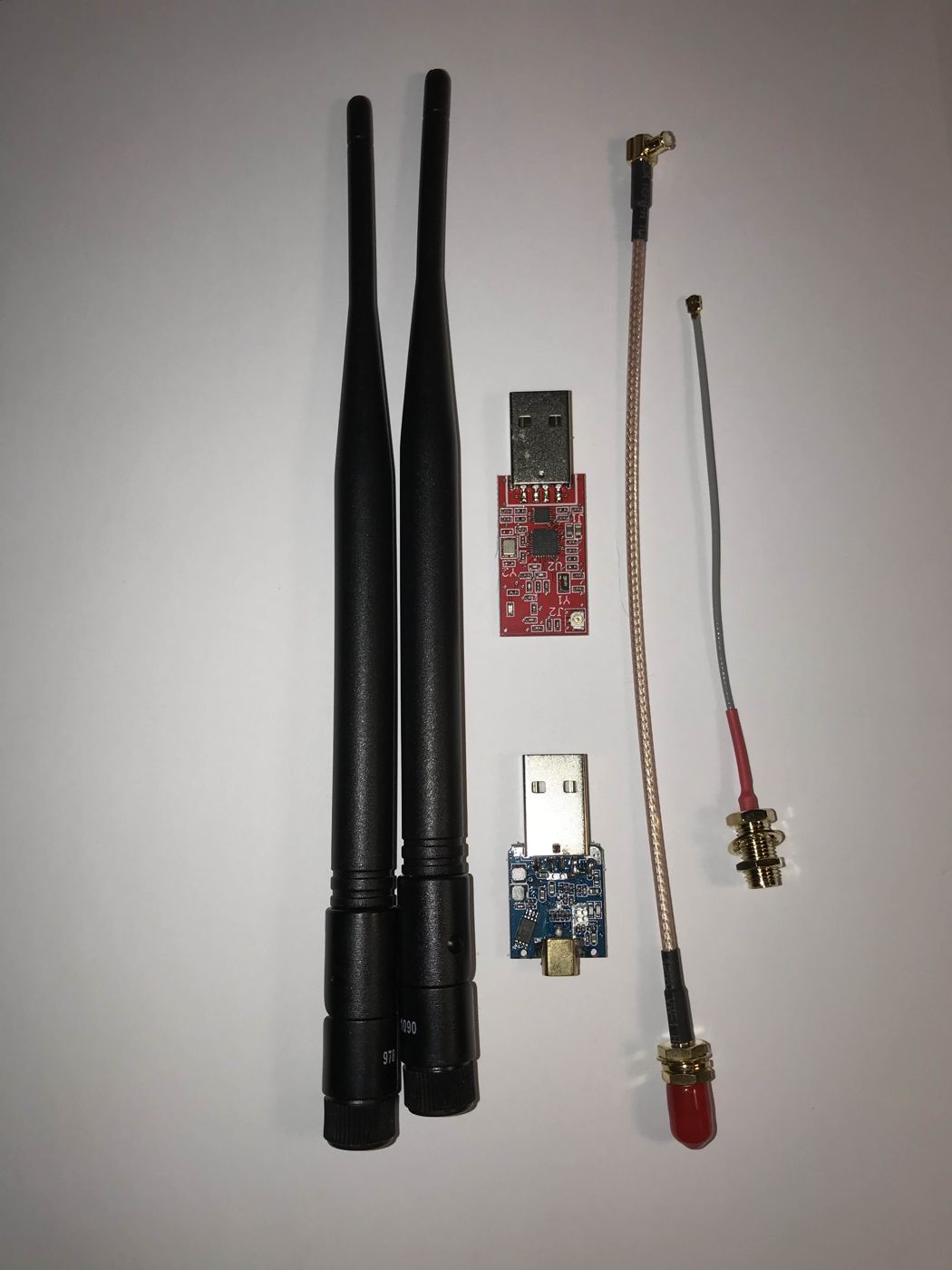
uAvionix's PingUSB was an external receiver that replaced a Stratux's two SDRs. It wasn't a hit (it cost more and had weaker antennas), but it led somewhere important. cyoung sent a uAvionix PF007 chip out to be decapped and imaged under a microscope, found a Texas Instruments logo on the die, narrowed it down with a parametric search, and had a TI CC1310 decapped to confirm it was the same chip. That became the basis of the UATradio, a dedicated 978 MHz UAT receiver that replaced the second SDR. As Helno put it, the project wouldn't have made that leap without the PingUSB.
The CC1310 crosses the border: CIFIB
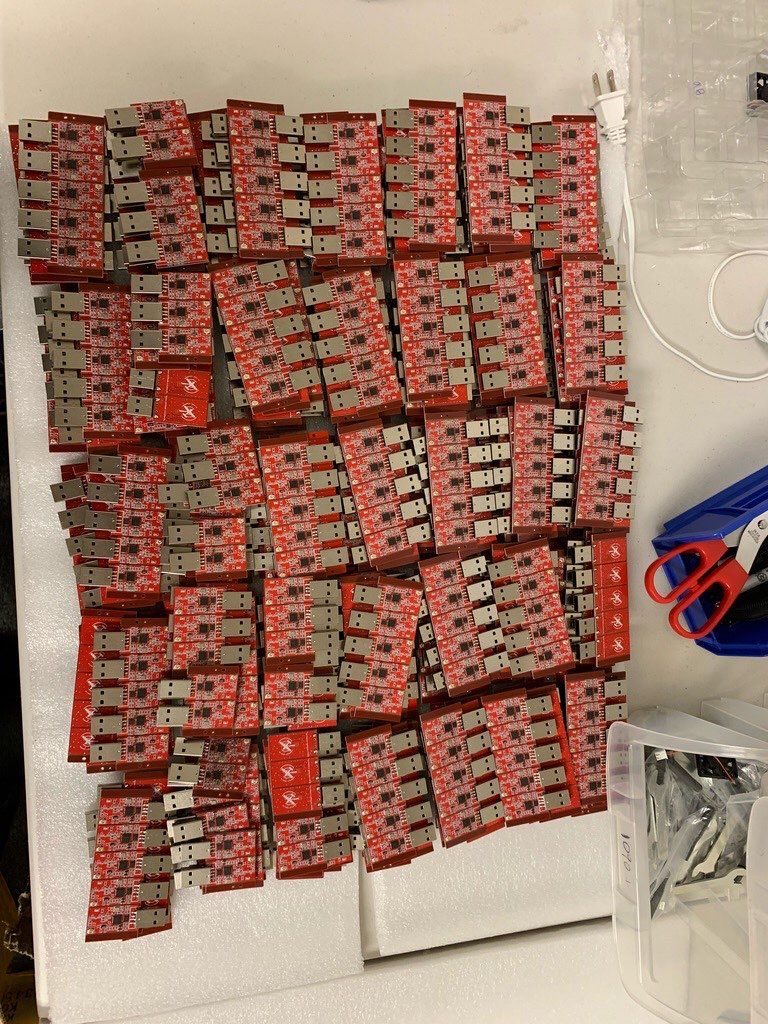
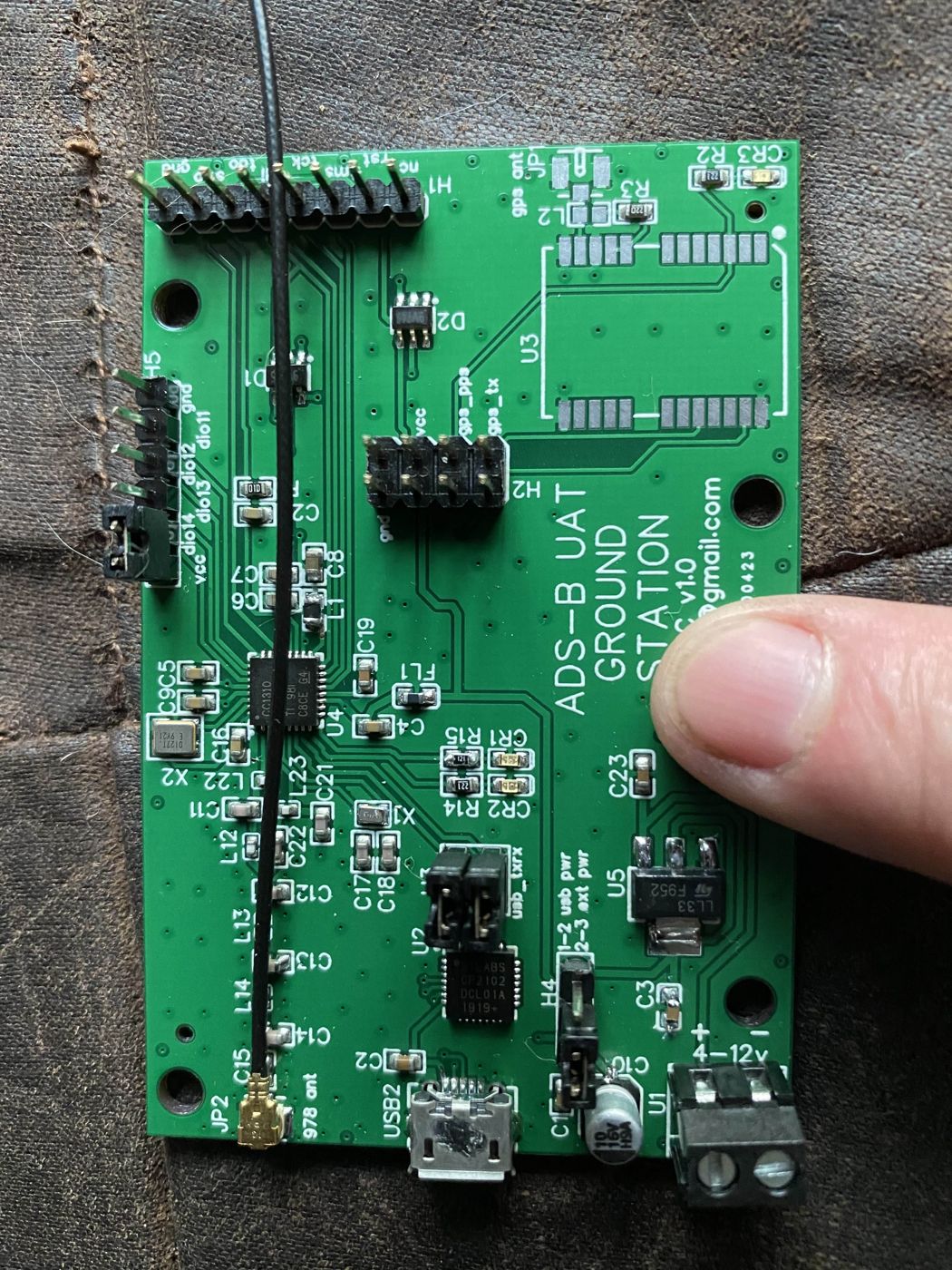
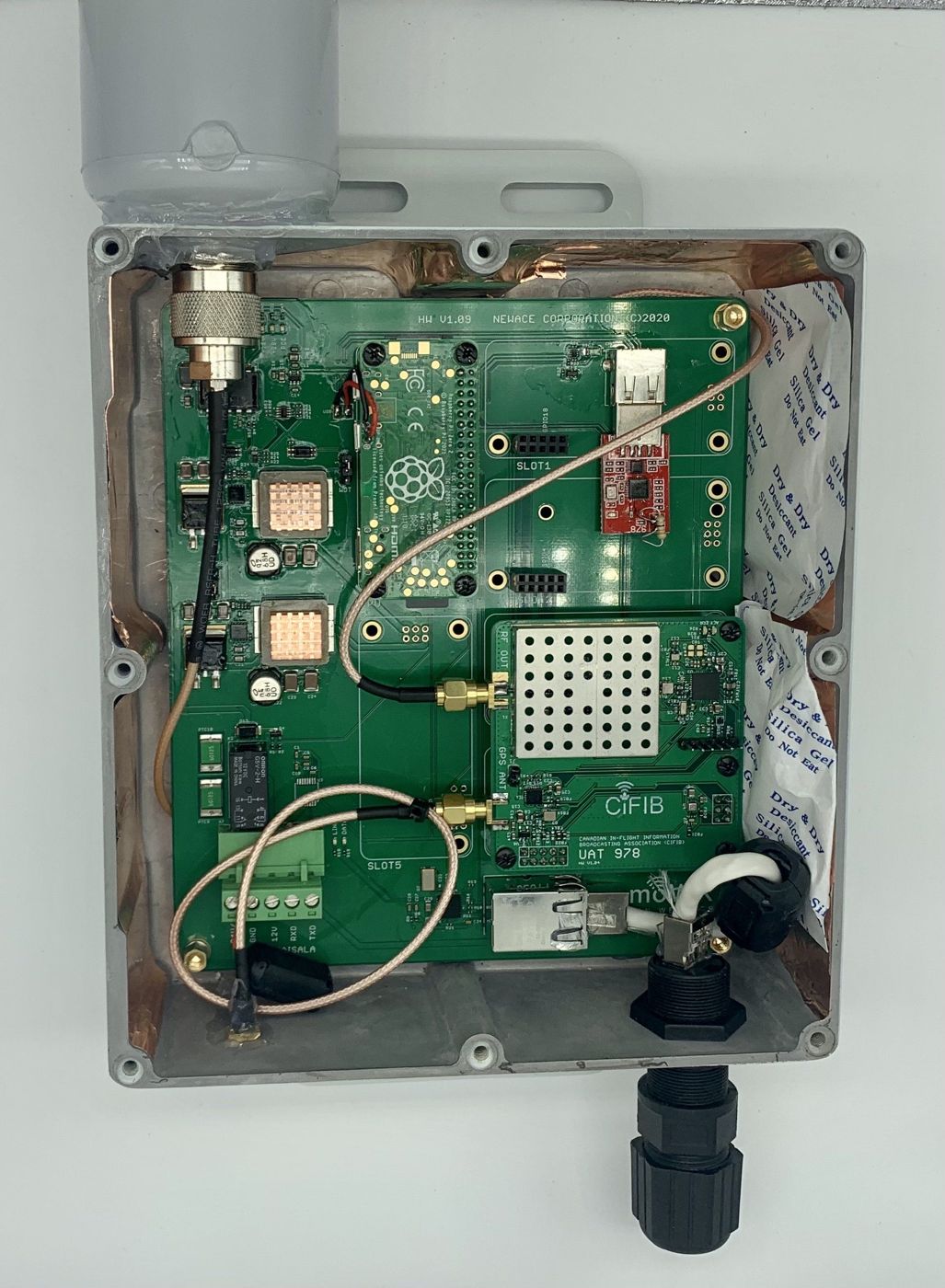
The CC1310 led somewhere nobody planned. Members of the Canadian community used it to build UAT ground stations, which grew into CIFIB, the volunteer network that now broadcasts FIS-B weather in parts of Canada. The first real station went on the air at the Stratford airport. Current CIFIB hardware uses the newer CC1312R.
Still going
cyoung stepped back around 2020, and the community carried on: the Europe Edition with FLARM and OGN, the unified Stratux v2.0 in 2025, new radios, and the people answering questions on Discord. The full timeline is in The story of Stratux.
With thanks to Helno, JohnOCFII and cyoung for the photos and memories, and to everyone who has built, printed, coded, tested and flown Stratux.