 Stratux
The story of Stratux: ten years of open-source ADS-B
In August 2015, cyoung posted a Raspberry Pi and a cheap software-defined radio on Reddit's r/flying. The receiver picked up free ADS-B weather and fed it to ForeFlight. It's been open source since that very first post. Ten years later, Stratux is a dual-band receiver, and the community still builds it in the open.
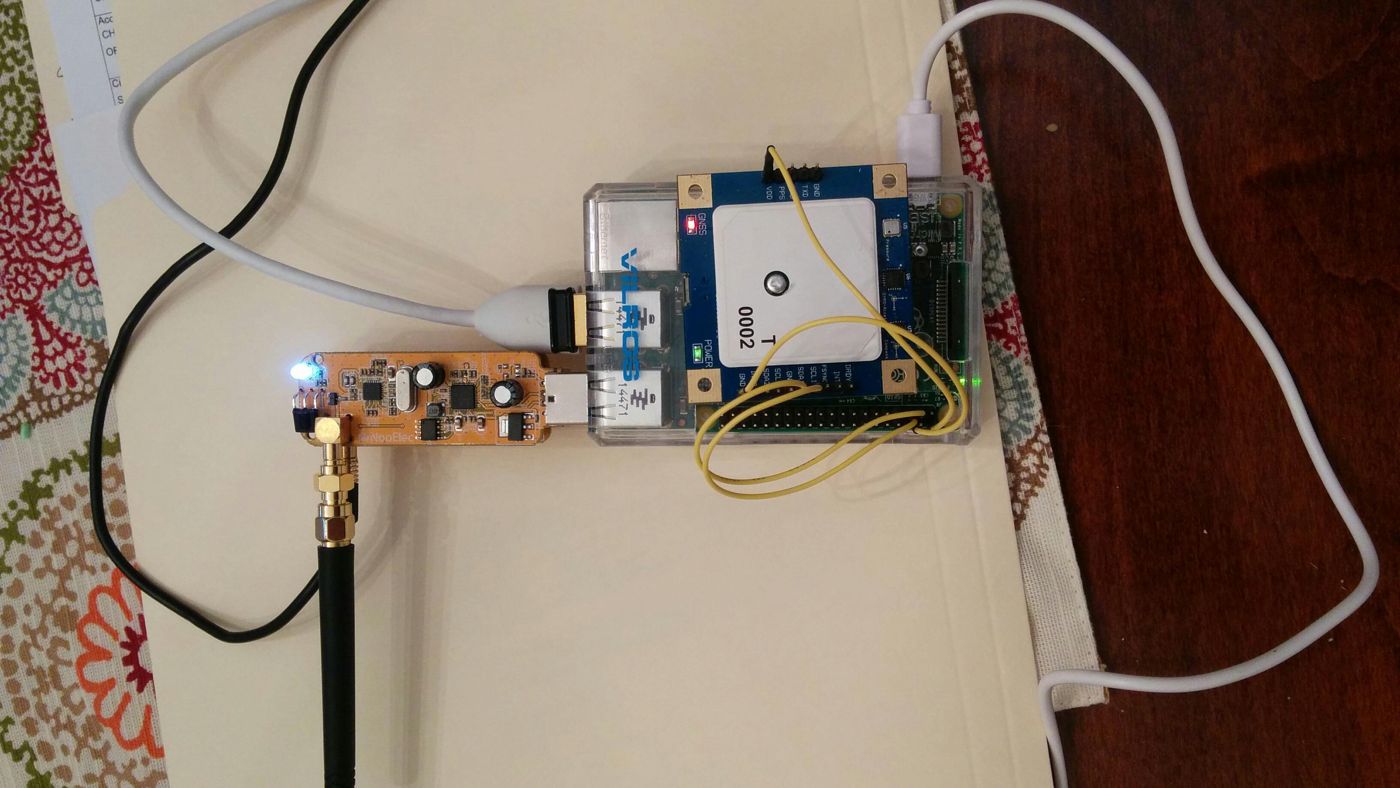
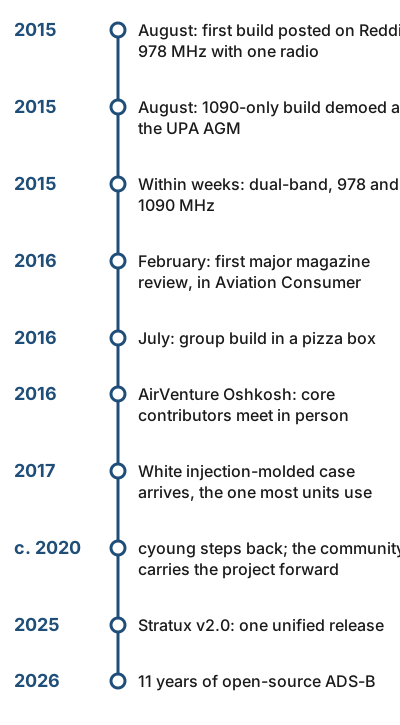
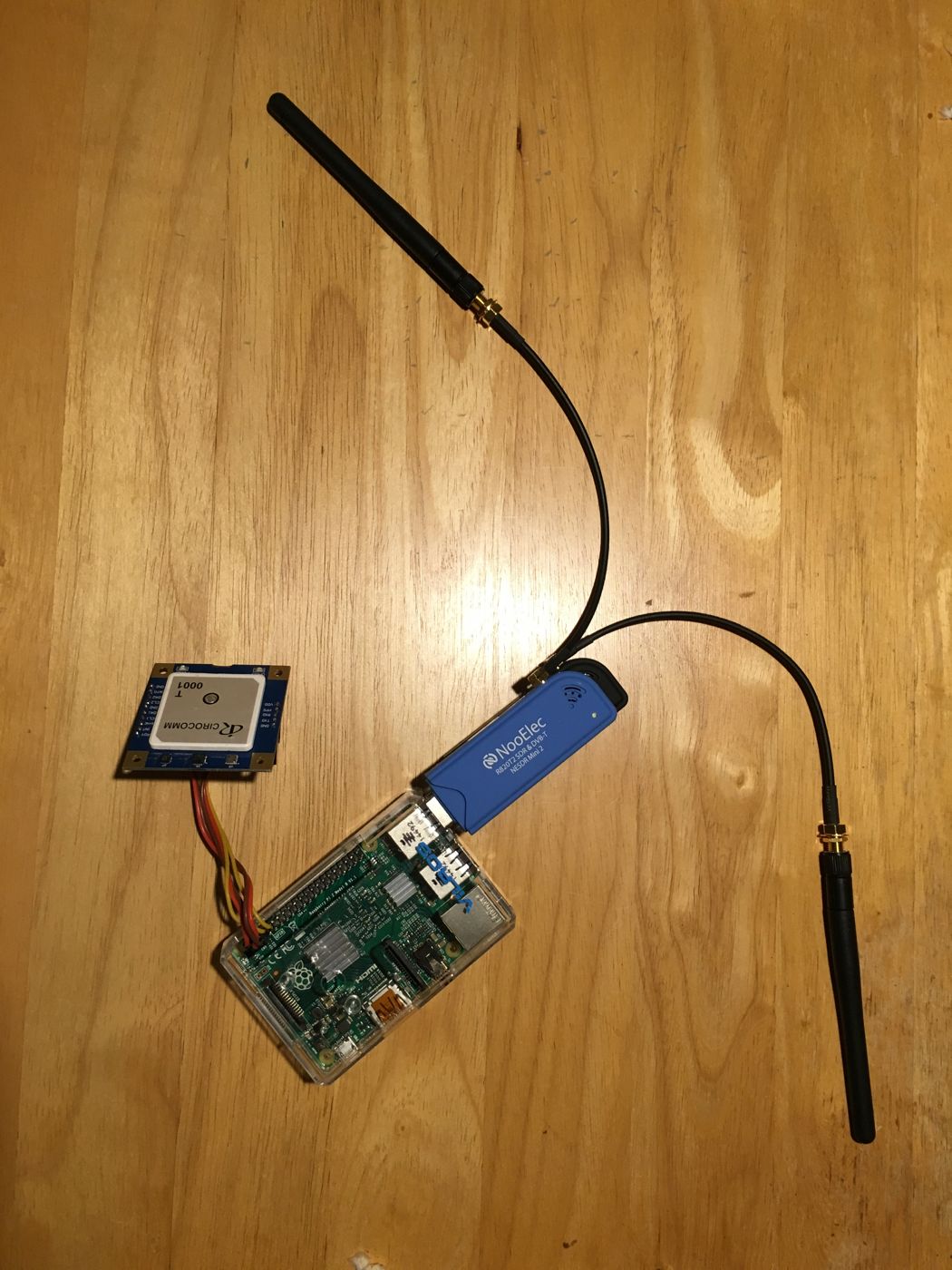
See it in pictures: prototypes, printed cases, the first injection-molded case and the UATradio, in The history of Stratux, in pictures.
A Raspberry Pi and a radio (2015)
Christopher Young (cyoung) shared the original build in August 2015. It listened on 978 MHz only, with a single SDR. That was enough to pull down FIS-B weather from FAA ground stations. It was open source from the first post.
Within days, the community was building on it. On August 13, 2015, Helno demonstrated a 1090-only build at the UPA AGM in Ontario, using pre-release code from cyoung. Canada didn't have UAT ground stations then, so 1090 MHz traffic was what mattered there. The r/stratux subreddit was created that same day.
1090ES support landed on GitHub in early September. On September 16, 2015, v0.2r1 became the first official dual-band (978 + 1090) Stratux release.
Getting noticed (2016)
In February 2016, Aviation Consumer reviewed Stratux. It was the first major aviation publication to cover it. The review praised how Stratux worked with every major EFB, and its photos showed one of Helno's community-designed cases.
From 3D prints to a real case (2016–2017)
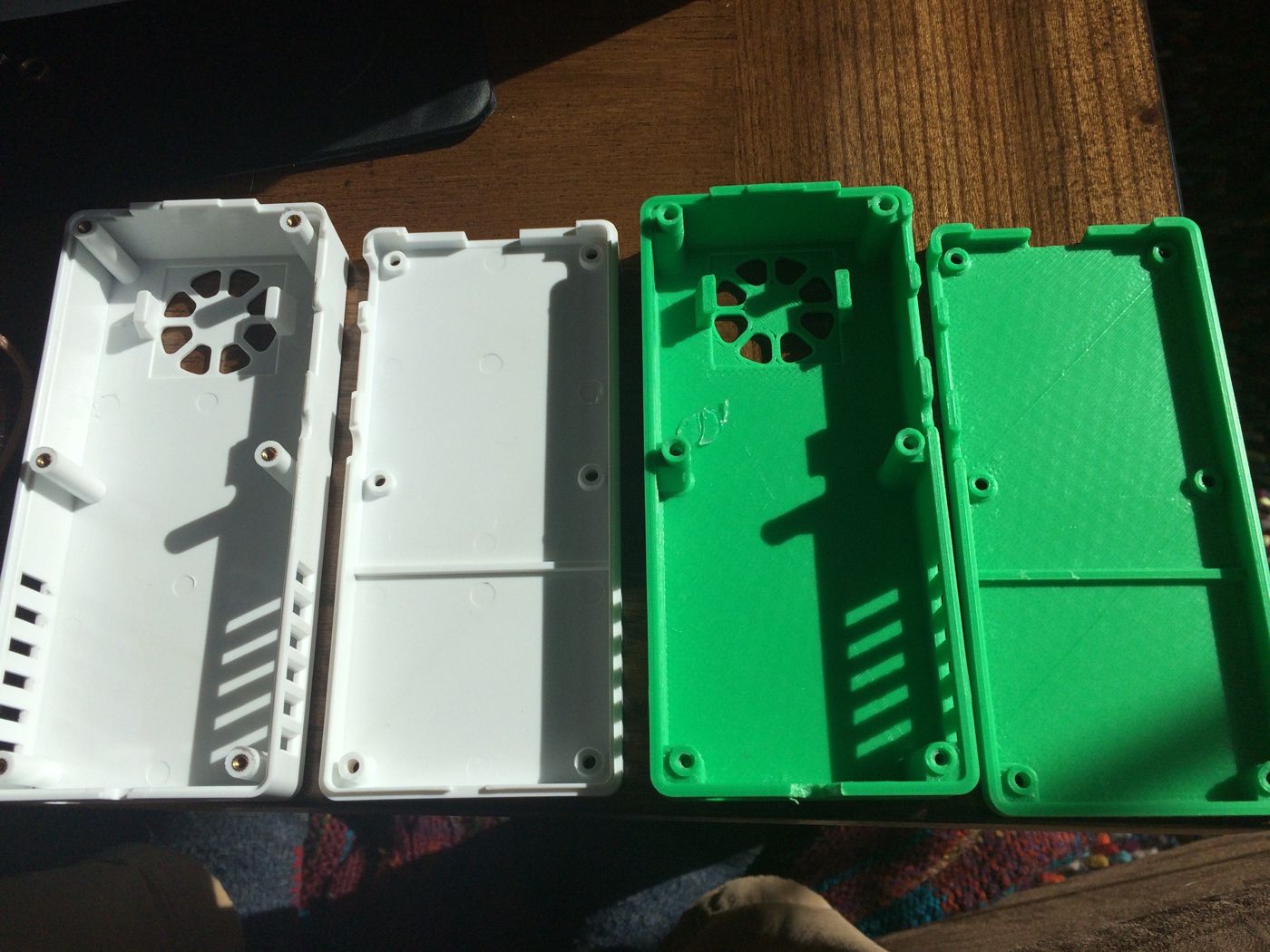
Early receivers lived in whatever builders could make. That meant 3D-printed designs shared by the community, then laser-cut acrylic. Helno designed and refined printable cases through many generations. Dan (dmurray14) printed early prototypes and worked on antennas.
In 2017 that work became the white injection-molded case, and it's still the standard today. Helno told the story himself in Getting cases injection molded. Around the same time, cyoung was benchmarking radios to find cooler, lower-power SDRs: New low power v2 SDRs and comparisons.
Ground stations in Canada, built on the same chip
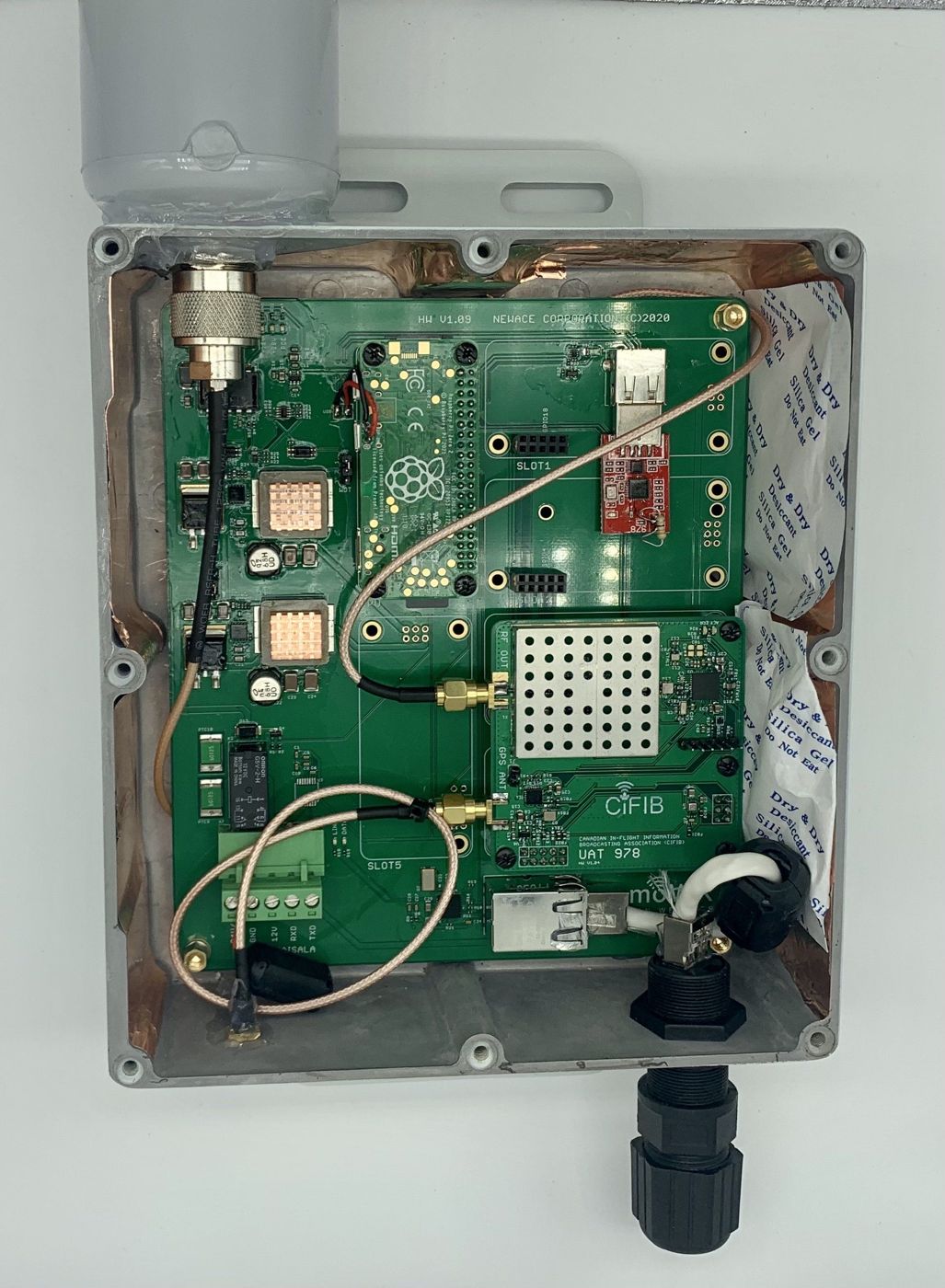
The CC1310 chip behind the UATradio ended up somewhere nobody planned. Members of the Canadian community used it to build UAT ground stations. Those grew into CIFIB, the volunteer network that now broadcasts FIS-B weather in parts of Canada. The first real station went on the air at the Stratford airport.
A community project (2020 onward)
Around 2020, cyoung stepped back, and the community carried the project forward. Adrian Batzill (b3nn0) kept the Europe Edition alive and growing for years, adding FLARM and OGN support for European pilots. Contributors like VirusPilot improved GPS handling.
Support kept spreading. Later, Garmin Pilot for iOS added Stratux support.
One Stratux for everyone (2025)
In February 2025, Stratux v2.0 brought the US and European versions together as a single image with a region setting. The work was developed at github.com/stratux/stratux. Much of the v2.0 work came from contributors including chmorgan and jamez70. It modernized the build system and packaging, and it added support for new receiver hardware. Pre-releases of v2.0 have followed.
Why it mattered
Before Stratux, a dual-band portable receiver was a big purchase. Open source didn't make commercial receivers disappear. It changed what they had to cost. It also gave pilots a receiver they could build, understand, repair and improve themselves.
Thank you
Stratux exists because of hundreds of contributors. We can't name them all here. That's developers, testers, case and antenna designers, people who answer questions on Discord at midnight, and pilots who report bugs from the cockpit. Here are a few names from the early days and today: cyoung, Helno, dmurray14, peepsnet, felixk, mbliu, Axtel4, b3nn0, schnuppepampe, VirusPilot, chmorgan, jamez70, and many more.
Sean (TankerJam) put it simply in the Stratux Discord in February 2026: "Communities are a group effort."
Next step
Join the community to answer a question on Discord or report a bug from the cockpit.