 Stratux
Build your own ADS-B receiver: what you need
A portable ADS-B In receiver puts free weather and traffic on your EFB. You can buy one ready to fly, or build one yourself in an afternoon with Stratux, the free, open-source software that started the DIY ADS-B movement in 2015. Here's what goes into a build, and what to expect.
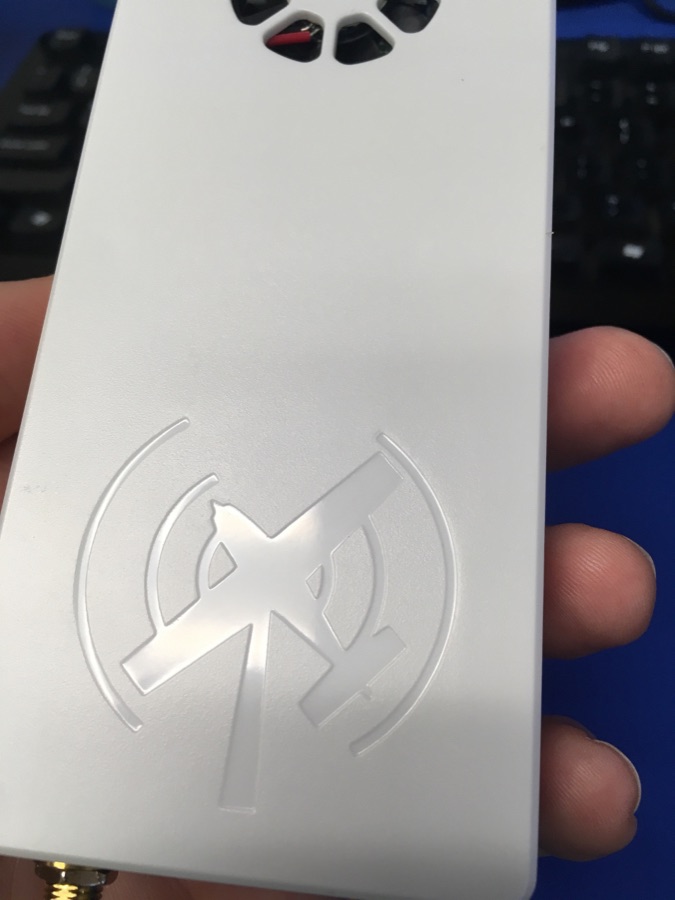
What a Stratux receiver does
A Stratux receiver listens to the two ADS-B frequencies used in the US:
- 978 MHz (UAT): FIS-B weather (NEXRAD radar, METARs, TAFs, AIRMETs and SIGMETs, PIREPs, winds aloft, TFRs) and UAT traffic. Available in the US and, through CIFIB, Canada.
- 1090 MHz (1090ES): traffic from airliners, jets and many GA aircraft, worldwide.
It adds GPS position, and optionally attitude from an AHRS board, then sends it all to your EFB over Wi-Fi. For the background, see our pilot's guide to how ADS-B works.
The parts
| Part | What it does |
|---|---|
| Raspberry Pi 3B or 3B+ | The computer that runs Stratux. A Pi 4 works but runs hotter and uses more power; a Pi 5 isn't recommended. |
| microSD card with Stratux | Holds the software. Buy one pre-programmed or flash your own. |
| 978 MHz radio | Receives UAT weather and traffic. Either a dedicated UAT radio or an SDR tuned to 978. |
| 1090 MHz radio | An RTL-SDR that receives 1090ES traffic. |
| Two antennas | One for each frequency. Compact or large. |
| GPS | A USB GPS with WAAS. Internal for most window mounts, external for metal-roof cockpits. |
| Case and fan | Protects the Pi and keeps it cool; the fan runs at about 55 °C. |
| AHRS board (optional) | Adds a backup attitude display in supported apps. |
| 2 A power source | A battery pack or cockpit USB charger. 1 A chargers cause reboots. |
The easiest route is a full DIY kit, which bundles everything that's matched to work together. Individual parts are on the Get Stratux page.
What it costs
A complete build with a Pi, both radios, antennas, GPS, case, fan and a microSD card typically comes to roughly $210–230 in parts, before a battery and mount. Prices move with Raspberry Pi and SDR availability, so check current prices.
How long it takes
A standard build needs no soldering. With a kit and the build guide, most people finish in an afternoon: fit the radios and GPS, mount the Pi in the case, attach the antennas, insert the microSD card, and power up. Then give the GPS 10–20 minutes outdoors for its first fix.
Build or buy?
- Build if you enjoy the project, want to understand every part, or already have a spare Raspberry Pi.
- Buy ready-to-fly if you'd rather have a tested unit with support and go straight to flying. It runs the same open-source software, and every part can still be repaired or replaced.
Either way, you can update the software for free whenever a new release comes out.
Before your first flight
- Follow Getting started to connect your EFB.
- Don't worry if there's no weather on the ramp. It's normal on the ground.
- Check the ground station map for stations along your route.
Legal notes
In the United States, portable ADS-B In receivers need no certification. Permanent panel installations are a different matter; talk to an A&P or IA. If you're shipping a receiver internationally, check export rules first.